Proplyene Glycol Alginate
Auto-generated content. This description was generated automatically and is pending editorial review. Inaccuracies are possible. Found a mistake? Contact us.
What it is
Propylene glycol alginate is a modified form of alginic acid, which is derived from brown seaweed. It is made by reacting alginic acid with propylene oxide, a process that changes its chemical structure and properties.
Why it's used
Manufacturers use it as a stabilizer and emulsifier, helping to keep ingredients mixed together and prevent separation. It is often found in salad dressings, sauces, pickles, and relishes to improve texture and consistency.
Health notes
In the U.S., propylene glycol alginate is generally recognized as safe (GRAS) by the FDA for use in food. International bodies like the Joint FAO/WHO Expert Committee on Food Additives (JECFA) and the European Food Safety Authority (EFSA) have also evaluated it. Evidence does not suggest adverse health effects from typical consumption levels.
Allergen info
Propylene glycol alginate is not derived from any of the nine major allergens recognized by the FDA. It does not contain gluten.
Products containing Proplyene Glycol Alginate
Compare products →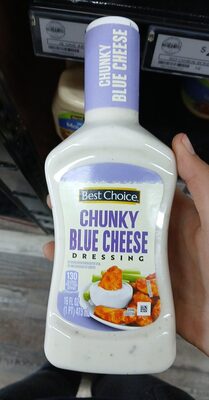 Associated Wholesale Grocers, Inc.
Chunky Blue Cheese Dressing
467kcal
0Protein
50Fat
3.3Carbs
Safeway, Inc.
Bacon Bleu Wedge Crisp Iceberg And Romaine Lettuces, Celery, Green And Red Cabbage And Radishes With Grape Tomatoes, Bacon Crumbles And Walnut Pieces In A Creamy Bleu Cheese Dressing Chopped Salad Bowl, Bacon Bleu Wedge
High in sodium — 27% DV per serving
High in saturated fat — 25% DV per serving
136kcal
3.3Protein
11.3Fat
4.2Carbs
Ready Pac Produce, Inc.
Bacon Bleu Wedge Chopped Salad, Bacon Bleu Wedge
High in sodium — 27% DV per serving
High in saturated fat — 25% DV per serving
136kcal
3.3Protein
11.3Fat
4.2Carbs
Associated Wholesale Grocers, Inc.
Chunky Blue Cheese Dressing
467kcal
0Protein
50Fat
3.3Carbs
Safeway, Inc.
Bacon Bleu Wedge Crisp Iceberg And Romaine Lettuces, Celery, Green And Red Cabbage And Radishes With Grape Tomatoes, Bacon Crumbles And Walnut Pieces In A Creamy Bleu Cheese Dressing Chopped Salad Bowl, Bacon Bleu Wedge
High in sodium — 27% DV per serving
High in saturated fat — 25% DV per serving
136kcal
3.3Protein
11.3Fat
4.2Carbs
Ready Pac Produce, Inc.
Bacon Bleu Wedge Chopped Salad, Bacon Bleu Wedge
High in sodium — 27% DV per serving
High in saturated fat — 25% DV per serving
136kcal
3.3Protein
11.3Fat
4.2Carbs