Propolis
What is Propolis?
Propolis is a resin-like substance made by honey bees from tree sap, beeswax, and their own secretions. Bees collect it from tree buds and bark and use it to seal their hives, protect against pathogens, and repair damage. It has a sticky texture and a complex aroma, varying in color from yellow-brown to dark brown.
Is Propolis vegan?
No. Propolis is animal-derived, so it is not vegan.
Is Propolis gluten-free?
It does not contain gluten.
Is Propolis a major allergen?
Propolis is not derived from any of the 9 FDA major allergens.
What is Propolis used for?
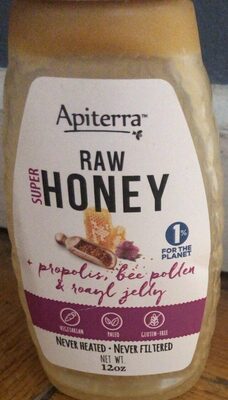
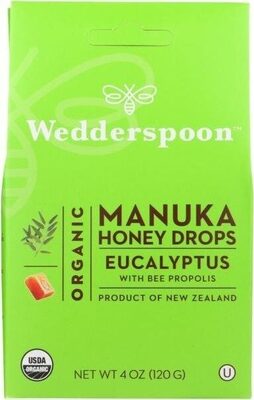
Propolis is sometimes added to foods like honey, nutritional supplements, and beverages.
Is Propolis safe?
In the US, propolis is generally recognized as safe (GRAS) when used as a food ingredient.
Why it's used
Propolis is sometimes added to foods like honey, nutritional supplements, and beverages. It is valued for its potential health benefits and unique flavor profile. Manufacturers may include it as a functional ingredient or to contribute to the overall natural composition of the product.
Health notes
In the US, propolis is generally recognized as safe (GRAS) when used as a food ingredient. Some studies suggest propolis may have antioxidant and antimicrobial properties, but more research is needed. The European Food Safety Authority (EFSA) has evaluated propolis, and the Joint FAO/WHO Expert Committee on Food Additives (JECFA) has also reviewed it. While generally considered safe, propolis can cause allergic reactions in some individuals, particularly those with bee sting allergies.
Allergen info
Propolis is not derived from any of the 9 FDA major allergens. It does not contain gluten.
Foods that contain Propolis
Compare products →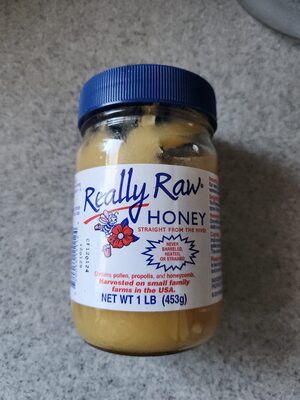
Auto-generated content. This description was generated automatically and is pending editorial review. Inaccuracies are possible. Found a mistake? Contact us.