Pulp
Auto-generated content. This description was generated automatically and is pending editorial review. Inaccuracies are possible. Found a mistake? Contact us.
What it is
Pulp refers to the soft, fleshy part of fruits or vegetables. It is typically made by processing the whole fruit or vegetable, often by pressing or blending, to separate the edible solid material from the juice or skin. Pulp retains much of the original fruit or vegetable's texture and nutrients.
Why it's used
Pulp is added to foods to provide natural flavor, color, texture, and nutritional value. It is commonly found in beverages, baked goods, sauces, and jams. In these products, it can act as a thickener, a source of dietary fiber, and contribute to a more natural, "whole fruit" taste and mouthfeel.
Health notes
Pulp is generally recognized as safe (GRAS) by the FDA when used as a food ingredient. It is a natural component of fruits and vegetables and is considered a source of dietary fiber, vitamins, and minerals. Regulatory bodies like JECFA and EFSA have evaluated various fruit and vegetable preparations, but specific evaluations for 'pulp' as a standalone ingredient are not typically categorized. No significant health concerns are associated with the consumption of fruit and vegetable pulp at typical dietary levels.
Allergen info
Pulp is not derived from any of the 9 FDA major allergens. It does not contain gluten unless the fruit or vegetable was processed in a facility with gluten-containing grains.
Products containing Pulp
Compare products →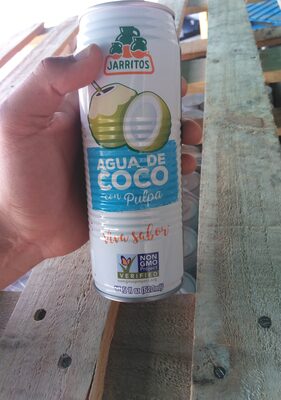 Jarritos, Inc.
Coconut Water With Pulp
—kcal
0Protein
0Fat
—Carbs
Monster Energy Company
Super Soda
49kcal
0Protein
0Fat
12.3Carbs
Jarritos, Inc.
Coconut Water With Pulp
—kcal
0Protein
0Fat
—Carbs
Monster Energy Company
Super Soda
49kcal
0Protein
0Fat
12.3Carbs