Pyridoxine Hydrochlo-ride
What is Pyridoxine Hydrochlo-ride?
Pyridoxine hydrochloride is the synthetic form of vitamin B6, a nutrient essential for human health. It is typically produced through chemical synthesis and is a white crystalline powder.
Is Pyridoxine Hydrochlo-ride vegan?
Pyridoxine Hydrochlo-ride is not animal-derived. Products that contain it can still include other animal-derived ingredients, so check the full ingredient list.
Is Pyridoxine Hydrochlo-ride gluten-free?
It is not derived from any of the 9 major allergens, nor does it contain gluten.
Is Pyridoxine Hydrochlo-ride a major allergen?
Not a major allergen.
What is Pyridoxine Hydrochlo-ride used for?
Manufacturers add pyridoxine hydrochloride to foods as a nutrient supplement, fortifying products to help consumers meet their daily vitamin B6 requirements.
Is Pyridoxine Hydrochlo-ride safe?
Pyridoxine hydrochloride is generally recognized as safe (GRAS) by the FDA when used as a nutrient.
Why it's used
Manufacturers add pyridoxine hydrochloride to foods as a nutrient supplement, fortifying products to help consumers meet their daily vitamin B6 requirements. It is commonly found in cereals, baked goods like croissants and muffins, and frozen appetizers.
Health notes
Pyridoxine hydrochloride is generally recognized as safe (GRAS) by the FDA when used as a nutrient. Vitamin B6 is crucial for brain development and function, as well as metabolism. While essential, very high doses of vitamin B6 can lead to nerve issues. JECFA and EFSA have evaluated vitamin B6 and established acceptable daily intakes. No significant controversies exist regarding its use at typical dietary levels.
Allergen info
Not a major allergen. It is not derived from any of the 9 major allergens, nor does it contain gluten.
Foods that contain Pyridoxine Hydrochlo-ride
Compare products →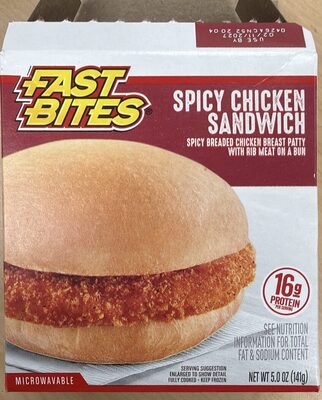 AdvancePierre Foods Inc.
Chicken Sandwich
High in sodium — 25% DV per serving
275kcal
11.3Protein
9.9Fat
35.2Carbs
Family Dollar Stores Inc.
Toaster Pastries, Frosted Brown Sugar Cinnamon
385kcal
3.9Protein
9.6Fat
71.2Carbs
Iga, Inc.
Sweetened Oat Cereal With Marshmallows
400kcal
6.7Protein
3.3Fat
90Carbs
AdvancePierre Foods Inc.
Chicken Sandwich
High in sodium — 25% DV per serving
275kcal
11.3Protein
9.9Fat
35.2Carbs
Family Dollar Stores Inc.
Toaster Pastries, Frosted Brown Sugar Cinnamon
385kcal
3.9Protein
9.6Fat
71.2Carbs
Iga, Inc.
Sweetened Oat Cereal With Marshmallows
400kcal
6.7Protein
3.3Fat
90Carbs
Learn more
Auto-generated content. This description was generated automatically and is pending editorial review. Inaccuracies are possible. Found a mistake? Contact us.