Raising Agent: Sodium Bicarbonate
What is Raising Agent: Sodium Bicarbonate?
Sodium bicarbonate is a white crystalline powder, a salt of sodium and bicarbonate. It occurs naturally in mineral springs and is also produced industrially. It is commonly known as baking soda.
Is Raising Agent: Sodium Bicarbonate vegan?
Raising Agent: Sodium Bicarbonate is not animal-derived. Products that contain it can still include other animal-derived ingredients, so check the full ingredient list.
Is Raising Agent: Sodium Bicarbonate gluten-free?
It does not contain gluten.
Is Raising Agent: Sodium Bicarbonate a major allergen?
Not a major allergen.
What is Raising Agent: Sodium Bicarbonate used for?
Sodium bicarbonate acts as a leavening agent in baked goods, producing carbon dioxide gas when heated or combined with an acid.
Is Raising Agent: Sodium Bicarbonate safe?
Sodium bicarbonate is generally recognized as safe (GRAS) by the FDA for use in food.
Why it's used
Sodium bicarbonate acts as a leavening agent in baked goods, producing carbon dioxide gas when heated or combined with an acid. This causes doughs and batters to rise, creating a lighter texture. It is found in cookies, crackers, cakes, and breads.
Health notes
Sodium bicarbonate is generally recognized as safe (GRAS) by the FDA for use in food. It is a common ingredient in antacids. JECFA has evaluated it and established an acceptable daily intake. At typical dietary levels, it is not associated with adverse health effects.
Allergen info
Not a major allergen. It does not contain gluten.
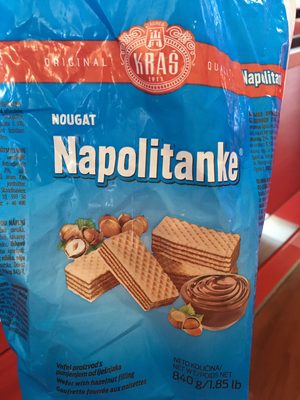
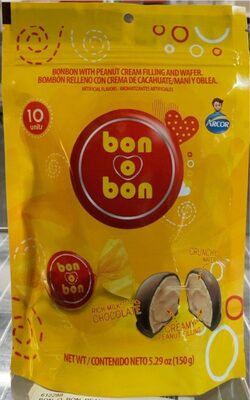
Foods that contain Raising Agent: Sodium Bicarbonate
Compare products →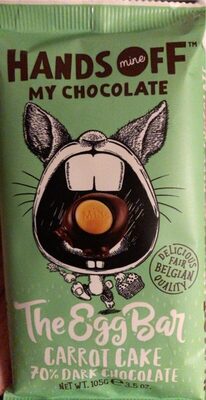




Auto-generated content. This description was generated automatically and is pending editorial review. Inaccuracies are possible. Found a mistake? Contact us.