Rboflavin
What is Rboflavin?
Riboflavin, also known as Vitamin B2, is a water-soluble vitamin that occurs naturally in foods like eggs, meat, and dairy. It can also be produced commercially through fermentation or chemical synthesis. Riboflavin plays a vital role in energy production, cell function, and metabolism.
Is Rboflavin gluten-free?
Riboflavin is not a major allergen and does not contain gluten.
What is Rboflavin used for?
Riboflavin is often added to foods as a nutrient supplement, particularly in fortified cereals, bread, and pasta.
Is Rboflavin safe?
Riboflavin is generally recognized as safe (GRAS) by the FDA when used as a nutrient or color additive.
Why it's used
Riboflavin is often added to foods as a nutrient supplement, particularly in fortified cereals, bread, and pasta. It also functions as a yellow colorant in some food products. Its presence is common in baked goods, dairy products, and nutritional supplements.
Health notes
Riboflavin is generally recognized as safe (GRAS) by the FDA when used as a nutrient or color additive. It is an essential vitamin, and deficiency can lead to various health issues, though this is rare in developed countries. JECFA and EFSA have evaluated riboflavin and established acceptable daily intakes. High doses are generally well-tolerated as excess is excreted in urine, though very high doses might cause mild side effects.
Allergen info
Riboflavin is not a major allergen and does not contain gluten.
Foods that contain Rboflavin
Compare products →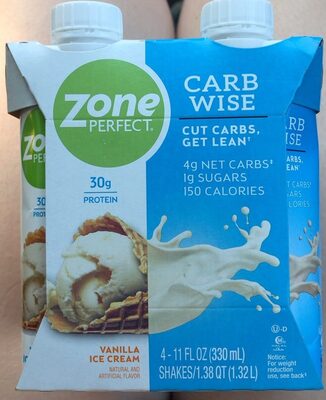 Abbott Laboratories Inc
Vanilla Ice Cream Shakes, Vanilla Ice Cream
45kcal
9.1Protein
0.3Fat
1.5Carbs
Wal-Mart Stores, Inc.
Cookies N' Creme Iced With Cookies 'N Creme Icing, Finished With A Chocolatey Pour And Topped With Cookie Cake, Cookies 'N Creme
High in saturated fat — 35% DV per serving
High in added sugars — 82% DV per serving
476kcal
2.4Protein
23.2Fat
63.4Carbs
Safeway, Inc.
Maple & Brown Sugar Instant Oatmeal, Maple & Brown Sugar
High in added sugars — 24% DV per serving
372kcal
9.3Protein
4.7Fat
74.4Carbs
Abbott Laboratories Inc
Vanilla Ice Cream Shakes, Vanilla Ice Cream
45kcal
9.1Protein
0.3Fat
1.5Carbs
Wal-Mart Stores, Inc.
Cookies N' Creme Iced With Cookies 'N Creme Icing, Finished With A Chocolatey Pour And Topped With Cookie Cake, Cookies 'N Creme
High in saturated fat — 35% DV per serving
High in added sugars — 82% DV per serving
476kcal
2.4Protein
23.2Fat
63.4Carbs
Safeway, Inc.
Maple & Brown Sugar Instant Oatmeal, Maple & Brown Sugar
High in added sugars — 24% DV per serving
372kcal
9.3Protein
4.7Fat
74.4Carbs
Learn more
Auto-generated content. This description was generated automatically and is pending editorial review. Inaccuracies are possible. Found a mistake? Contact us.