Red And Green
Auto-generated content. This description was generated automatically and is pending editorial review. Inaccuracies are possible. Found a mistake? Contact us.
What it is
Red and green are not specific ingredients but rather descriptive terms for colors. In food labeling, they typically refer to the visual appearance of a product, often achieved through the use of coloring agents or the natural colors of ingredients like vegetables or spices. The specific source and manufacturing process depend entirely on what is creating the red and green appearance.
Why it's used
Manufacturers use "red and green" to describe the visual appeal of food products. This can be achieved naturally by ingredients like bell peppers, tomatoes, or herbs, or through the addition of artificial or natural colorings. They are often seen in products where color is a key characteristic, such as salads, seasoned meats, and frozen meals.
Health notes
The health implications of "red and green" depend entirely on the specific ingredients providing these colors. If natural ingredients like vegetables are responsible, they contribute nutrients. If artificial colors are used, they are subject to FDA regulation. Some studies have explored potential links between certain artificial food colorings and hyperactivity in children, though regulatory bodies like the FDA have stated that current evidence does not establish a causal link for the general population at typical consumption levels. JECFA and EFSA have evaluated many food colorings.
Allergen info
Not a major allergen. The specific ingredients providing red and green colors would determine allergen status.
Products containing Red And Green
Compare products →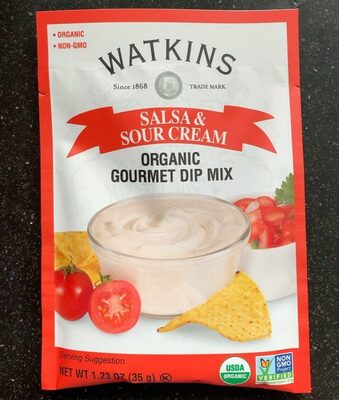 Watkins Incorporated
Salsa & Sour Cream Organic Gourmet Dip Mix, Salsa & Sour Cream
227kcal
0Protein
0Fat
45.5Carbs
Bellisio Foods Inc
Chicken Fajita Rice
High in sodium — 40% DV per serving
93kcal
7.0Protein
1.9Fat
10.9Carbs
Watkins Incorporated
Salsa & Sour Cream Organic Gourmet Dip Mix, Salsa & Sour Cream
227kcal
0Protein
0Fat
45.5Carbs
Bellisio Foods Inc
Chicken Fajita Rice
High in sodium — 40% DV per serving
93kcal
7.0Protein
1.9Fat
10.9Carbs