Red Apples
What is Red Apples?
Red apples are a variety of the fruit produced by apple trees (Malus domestica). They are grown worldwide and are typically eaten fresh, cooked, or processed into juice, cider, and other products. Varieties include Red Delicious, Fuji, and Gala.
Is Red Apples vegan?
Red Apples is not animal-derived. Products that contain it can still include other animal-derived ingredients, so check the full ingredient list.
Is Red Apples gluten-free?
They do not contain gluten.
Is Red Apples a major allergen?
Apples are not one of the nine FDA major allergens.
What is Red Apples used for?
Apples are primarily used as a food ingredient for their sweet flavor and firm texture.
Is Red Apples safe?
Apples are a source of dietary fiber and vitamin C.
Why it's used
Apples are primarily used as a food ingredient for their sweet flavor and firm texture. They are commonly found in baked goods like pies and muffins, as well as in salads, sauces, and snacks. Manufacturers also use them to make apple juice and cider.
Health notes
Apples are a source of dietary fiber and vitamin C. The U.S. Food and Drug Administration (FDA) considers apples to be Generally Recognized As Safe (GRAS) for consumption. International bodies like the Joint FAO/WHO Expert Committee on Food Additives (JECFA) and the European Food Safety Authority (EFSA) have evaluated apples and their components. Apples are a nutritious part of a balanced diet.
Allergen info
Apples are not one of the nine FDA major allergens. They do not contain gluten.
Foods that contain Red Apples
Compare products →
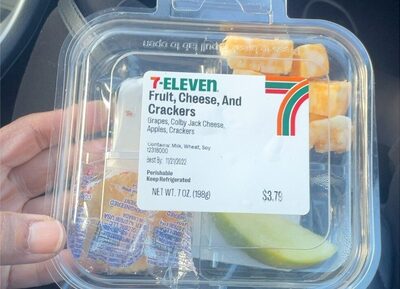
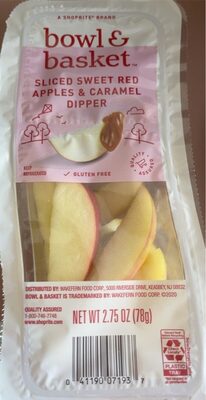
Auto-generated content. This description was generated automatically and is pending editorial review. Inaccuracies are possible. Found a mistake? Contact us.