Redcurrants
What is Redcurrants?
Redcurrants are tart, small, red berries that grow on shrubs in temperate regions. They are typically harvested when ripe and can be used fresh, frozen, or processed into various food products. The berries are often cooked down with sugar to make jams, jellies, and sauces.
Is Redcurrants vegan?
Redcurrants is not animal-derived. Products that contain it can still include other animal-derived ingredients, so check the full ingredient list.
Is Redcurrants gluten-free?
They do not contain gluten.
Is Redcurrants a major allergen?
Redcurrants are not derived from any of the 9 FDA major allergens.
What is Redcurrants used for?
Redcurrants are primarily used for their bright, tart flavor and vibrant color.
Is Redcurrants safe?
Redcurrants are a natural fruit and are generally recognized as safe by the FDA when used as a food ingredient.
Why it's used
Redcurrants are primarily used for their bright, tart flavor and vibrant color. They are commonly found in jams, jellies, and fruit spreads, where their pectin content helps with gelling. They also appear in baked goods like tarts and cakes, and as sauces or garnishes for desserts and savory dishes.
Health notes
Redcurrants are a natural fruit and are generally recognized as safe by the FDA when used as a food ingredient. They are a source of vitamin C and fiber. International bodies like EFSA have evaluated various fruit components, but specific evaluations for redcurrants as a food additive are not commonly cited. As a whole fruit, they are considered healthy and part of a balanced diet.
Allergen info
Redcurrants are not derived from any of the 9 FDA major allergens. They do not contain gluten.
Foods that contain Redcurrants
Compare products →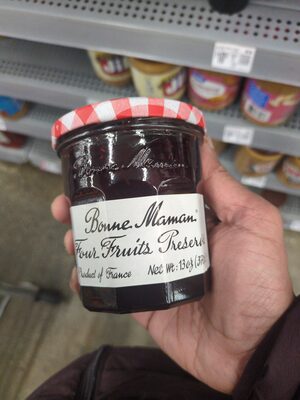
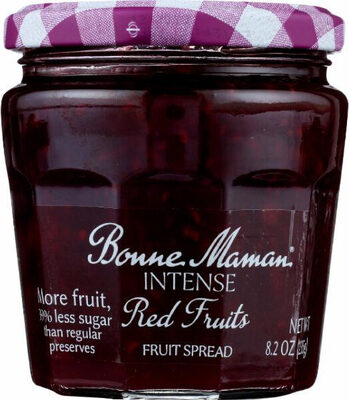

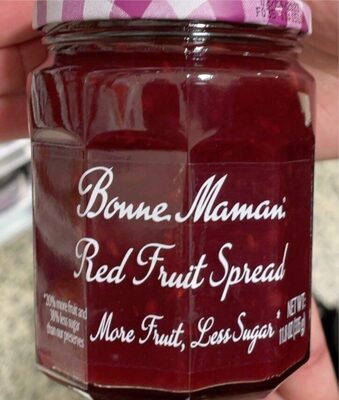
Auto-generated content. This description was generated automatically and is pending editorial review. Inaccuracies are possible. Found a mistake? Contact us.