Releasing Agent
Auto-generated content. This description was generated automatically and is pending editorial review. Inaccuracies are possible. Found a mistake? Contact us.
What it is
A releasing agent, also known as an anti-sticking agent, is a substance that prevents food from sticking to surfaces during processing or packaging. They are often made from fats, oils, or waxes, and can be derived from plant or animal sources. These agents are typically applied as a thin coating.
Why it's used
Manufacturers add releasing agents to prevent food products from adhering to equipment like baking sheets, molds, or packaging materials. This ensures product integrity and makes handling easier. They are commonly found in baked goods, confectionery, and processed meats.
Health notes
Releasing agents used in food are generally recognized as safe (GRAS) by the FDA or approved as food additives. When used as intended, they are not expected to pose health risks. International bodies like JECFA have evaluated many such substances. Evidence does not suggest adverse health effects from typical dietary exposure.
Allergen info
Releasing agents are not typically derived from the major allergens. However, specific ingredients should always be checked for potential cross-contamination or unexpected sources. Not a major allergen.
Products containing Releasing Agent
Compare products →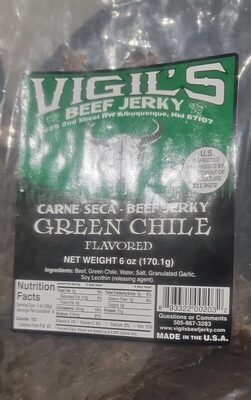 Ad Infinitum, LLC
Green Chile Flavored Beef Jerky, Green Chile
High in sodium — 22% DV per serving
357kcal
75Protein
7.1Fat
0Carbs
Casa Blanca Beef Jerky, RJC, LLC
Green Chile Beef Jerky, Green Chile
357kcal
75Protein
7.1Fat
0Carbs
Ad Infinitum, LLC
Green Chile Beef Jerky, Green Chile
High in sodium — 22% DV per serving
357kcal
75Protein
7.1Fat
0Carbs
Ad Infinitum, LLC
Beef Jerky, Lemon Pepper
393kcal
71.4Protein
7.1Fat
10.7Carbs
Ad Infinitum, LLC
Green Chile Flavored Beef Jerky, Green Chile
High in sodium — 22% DV per serving
357kcal
75Protein
7.1Fat
0Carbs
Casa Blanca Beef Jerky, RJC, LLC
Green Chile Beef Jerky, Green Chile
357kcal
75Protein
7.1Fat
0Carbs
Ad Infinitum, LLC
Green Chile Beef Jerky, Green Chile
High in sodium — 22% DV per serving
357kcal
75Protein
7.1Fat
0Carbs
Ad Infinitum, LLC
Beef Jerky, Lemon Pepper
393kcal
71.4Protein
7.1Fat
10.7Carbs