Resinous Glaze
What is Resinous Glaze?
Resinous glaze is a resinous secretion of a scale insect, most commonly the lac insect (Kerria lacca). The raw secretion is collected, processed to remove impurities, and then often dissolved in alcohol to create a liquid glaze.
Is Resinous Glaze vegan?
No. Resinous Glaze is animal-derived, so it is not vegan.
Is Resinous Glaze gluten-free?
It does not contain gluten.
Is Resinous Glaze a major allergen?
Resinous glaze is not derived from any of the nine FDA major allergens.
What is Resinous Glaze used for?
Manufacturers use resinous glaze as a food-grade coating to provide a glossy finish, protect against moisture, and prevent sticking.
Is Resinous Glaze safe?
In the U.S., resinous glaze is Generally Recognized As Safe (GRAS) by the FDA.
Why it's used
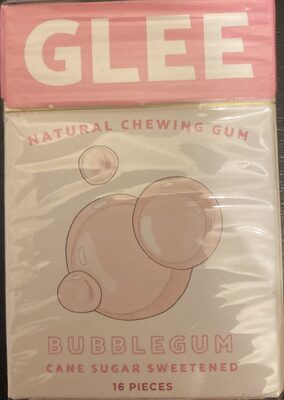
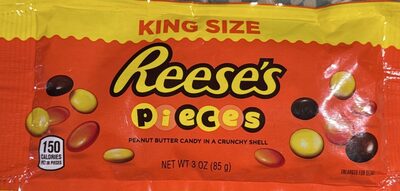
Manufacturers use resinous glaze as a food-grade coating to provide a glossy finish, protect against moisture, and prevent sticking. It is commonly found on confectionery items, baked goods, and certain fruits.
Health notes
In the U.S., resinous glaze is Generally Recognized As Safe (GRAS) by the FDA. It is consumed in small amounts as part of coated foods. International bodies like JECFA have evaluated shellac, the common name for resinous glaze, and established specifications for its use.
Allergen info
Resinous glaze is not derived from any of the nine FDA major allergens. It does not contain gluten.
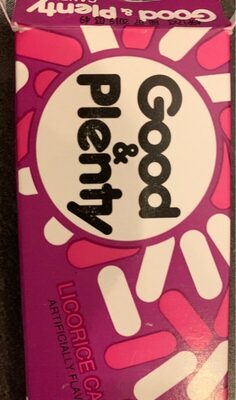
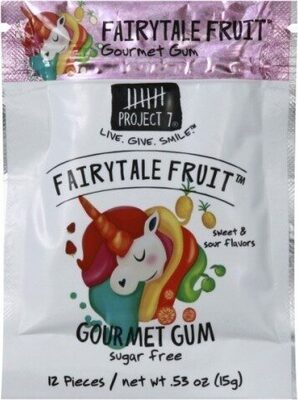
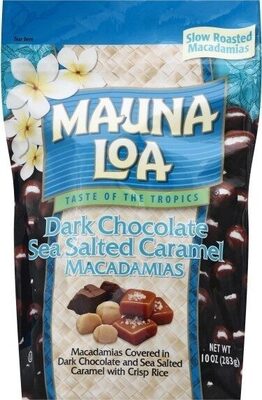
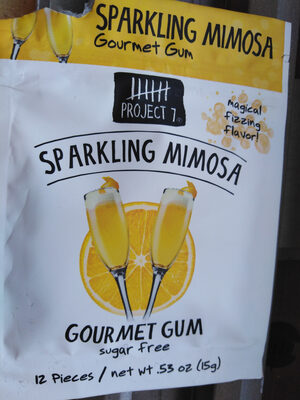
Foods that contain Resinous Glaze
Compare products →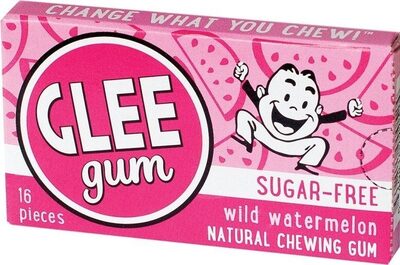


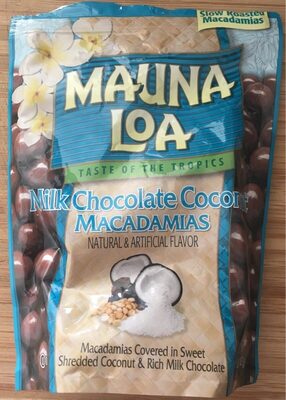
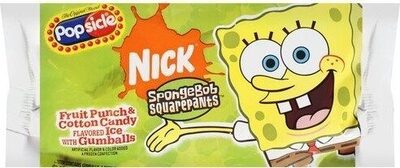
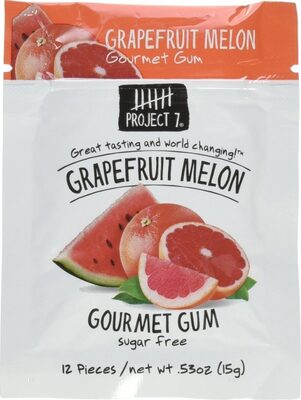

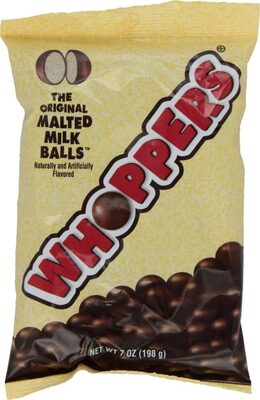

Auto-generated content. This description was generated automatically and is pending editorial review. Inaccuracies are possible. Found a mistake? Contact us.