Riboflavin And Vitamin B6
What is Riboflavin And Vitamin B6?
Riboflavin (Vitamin B2) and Vitamin B6 are both essential B vitamins. Riboflavin is found naturally in dairy products, eggs, and green leafy vegetables. Vitamin B6 is found in many fruits and vegetables, meats, and grains. Both can also be produced synthetically for use in food.
Is Riboflavin And Vitamin B6 vegan?
Riboflavin And Vitamin B6 is not animal-derived. Products that contain it can still include other animal-derived ingredients, so check the full ingredient list.
Is Riboflavin And Vitamin B6 a major allergen?
Not a major allergen.
What is Riboflavin And Vitamin B6 used for?
These vitamins are added to foods as nutritional supplements to fortify them.
Is Riboflavin And Vitamin B6 safe?
Riboflavin and Vitamin B6 are generally recognized as safe (GRAS) by the FDA when used as nutrients.
Why it's used
These vitamins are added to foods as nutritional supplements to fortify them. They are commonly found in breakfast cereals, baked goods, and dairy products to help consumers meet their daily vitamin needs.
Health notes
Riboflavin and Vitamin B6 are generally recognized as safe (GRAS) by the FDA when used as nutrients. The US National Academies have established upper intake levels for these vitamins. JECFA and EFSA have also evaluated these vitamins. Consuming them within recommended amounts is important for overall health, as they play vital roles in metabolism and nerve function.
Allergen info
Not a major allergen. Riboflavin and Vitamin B6 themselves are not allergens, and their synthetic forms are not derived from major allergens.
Foods that contain Riboflavin And Vitamin B6
Compare products →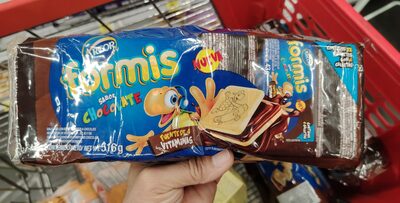 Chocolate Sandwich Cookie, Chocolate
High in added sugars — 20% DV per serving
467kcal
6.7Protein
20Fat
70Carbs
Chocolate Sandwich Cookie, Chocolate
High in added sugars — 20% DV per serving
467kcal
6.7Protein
20Fat
70Carbs
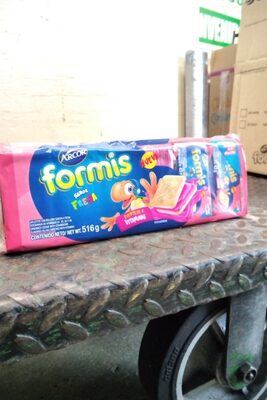 Strawberry Flavored Filling Sandwich Cookie, Strawberry
487kcal
5.7Protein
19Fat
73.3Carbs
Strawberry Flavored Filling Sandwich Cookie, Strawberry
487kcal
5.7Protein
19Fat
73.3Carbs
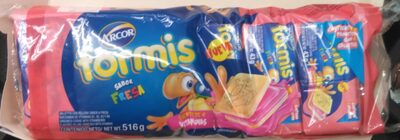 With Strawberry Flavored Filling Sandwich Cookie, Strawberry
High in added sugars — 20% DV per serving
500kcal
6.7Protein
20Fat
73.3Carbs
Chocolate With Compound Chocolate Filling Sandwich Cookie, Chocolate
—kcal
6.3Protein
19Fat
70Carbs
With Strawberry Flavored Filling Sandwich Cookie, Strawberry
High in added sugars — 20% DV per serving
500kcal
6.7Protein
20Fat
73.3Carbs
Chocolate With Compound Chocolate Filling Sandwich Cookie, Chocolate
—kcal
6.3Protein
19Fat
70Carbs
Learn more
Auto-generated content. This description was generated automatically and is pending editorial review. Inaccuracies are possible. Found a mistake? Contact us.