Riboflavin Vitamin B21
What is Riboflavin Vitamin B21?
Riboflavin, also known as Vitamin B2, is a water-soluble vitamin that plays a key role in energy production and cell function. It is found naturally in foods like eggs, meat, dairy products, and green vegetables. It can also be produced synthetically for use as a food additive.
Is Riboflavin Vitamin B21 gluten-free?
Riboflavin is not a major allergen and does not contain gluten.
What is Riboflavin Vitamin B21 used for?
Riboflavin is often added to foods as a nutrient supplement, particularly in fortified products like cereals, breads, and dairy alternatives.
Is Riboflavin Vitamin B21 safe?
Riboflavin is an essential nutrient, and the FDA considers it Generally Recognized As Safe (GRAS) when used as a nutrient or dietary supplement.
Why it's used
Riboflavin is often added to foods as a nutrient supplement, particularly in fortified products like cereals, breads, and dairy alternatives. It can also be used as a yellow food coloring. Its presence is common in baked goods, processed grains, and some beverages.
Health notes
Riboflavin is an essential nutrient, and the FDA considers it Generally Recognized As Safe (GRAS) when used as a nutrient or dietary supplement. It is vital for metabolism and overall health. JECFA and EFSA have evaluated riboflavin and found it safe for consumption. High doses are generally well-tolerated, with excess amounts excreted in urine. There are no significant controversies regarding its use at typical dietary levels.
Allergen info
Riboflavin is not a major allergen and does not contain gluten. It is not derived from any of the nine FDA major allergens.
Foods that contain Riboflavin Vitamin B21
Compare products → Smart & Final Iris Corporation
Multi-Grain Country Style Bread, Multi-Grain
233kcal
11.6Protein
4.7Fat
44.2Carbs
Smart & Final Iris Corporation
Multi-Grain Country Style Bread, Multi-Grain
233kcal
11.6Protein
4.7Fat
44.2Carbs
 Conagra Brands, Inc.
Microwavable Bowls Variety Pack, Beef Ravioli, Spaghetti & Meatballs, Beefaroni, Lasagna
High in sodium — 30% DV per serving
85kcal
2.8Protein
1.9Fat
14.2Carbs
Conagra Brands, Inc.
Microwavable Bowls Variety Pack, Beef Ravioli, Spaghetti & Meatballs, Beefaroni, Lasagna
High in sodium — 30% DV per serving
85kcal
2.8Protein
1.9Fat
14.2Carbs
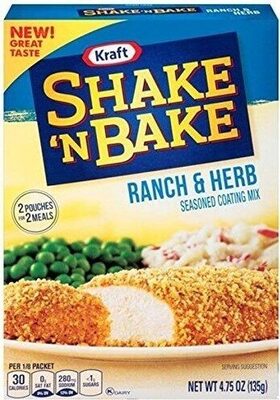 Kraft Heinz Foods Company
Ranch & Herb Seasoned Coating Mix, Ranch & Herb
375kcal
12.5Protein
0Fat
62.5Carbs
Kraft Heinz Foods Company
Ranch & Herb Seasoned Coating Mix, Ranch & Herb
375kcal
12.5Protein
0Fat
62.5Carbs
Learn more
Auto-generated content. This description was generated automatically and is pending editorial review. Inaccuracies are possible. Found a mistake? Contact us.