Rice Protein And Pea Protein
What is Rice Protein And Pea Protein?
Rice protein and pea protein are plant-based protein powders. They are made by processing rice or peas to extract the protein content, often through methods like grinding, washing, and drying. These powders are then used to boost the protein content of foods and beverages.
Is Rice Protein And Pea Protein vegan?
Rice Protein And Pea Protein is not animal-derived. Products that contain it can still include other animal-derived ingredients, so check the full ingredient list.
Is Rice Protein And Pea Protein gluten-free?
They do not contain gluten.
Is Rice Protein And Pea Protein a major allergen?
Neither rice nor peas are among the FDA's 9 major allergens.
What is Rice Protein And Pea Protein used for?
Manufacturers add rice and pea protein to increase the protein content of foods.
Is Rice Protein And Pea Protein safe?
Rice and pea proteins are generally recognized as safe (GRAS) by the FDA for use in food.
Why it's used
Manufacturers add rice and pea protein to increase the protein content of foods. They are commonly found in protein powders, energy bars, meal replacements, and beverages aimed at athletes or those seeking higher protein intake.
Health notes
Rice and pea proteins are generally recognized as safe (GRAS) by the FDA for use in food. They are considered good sources of plant-based protein. JECFA and EFSA have evaluated various protein sources, but specific evaluations for combined rice and pea protein are not widely publicized. There are no widespread controversies regarding their consumption at typical levels.
Allergen info
Neither rice nor peas are among the FDA's 9 major allergens. They do not contain gluten.
Foods that contain Rice Protein And Pea Protein
Compare products →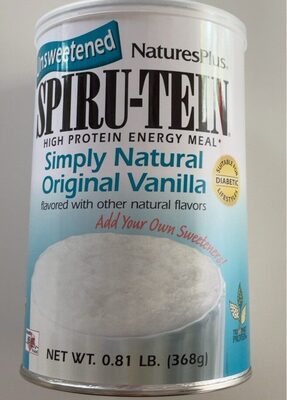 Natural Organics, Inc.
Unsweetened Original Vanilla Flavored High Protein Energy Meal, Original Vanilla
304kcal
60.9Protein
0Fat
21.7Carbs
Natural Organics, Inc.
Unsweetened Original Vanilla Flavored High Protein Energy Meal, Original Vanilla
304kcal
60.9Protein
0Fat
21.7Carbs
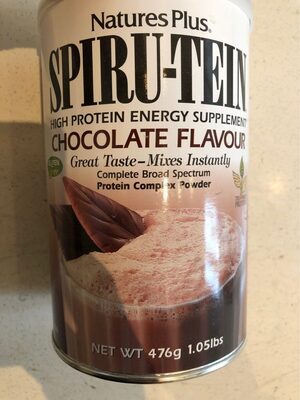 Natural Organics, Inc.
Chocolate Flavored High Protein Energy Meal, Chocolate
High in added sugars — 28% DV per serving
357kcal
50Protein
3.6Fat
35.7Carbs
Natural Organics, Inc.
Chocolate Flavored Complete Broad Spectrum Protein Complex With Spirulina, Chocolate
357kcal
50Protein
3.6Fat
35.7Carbs
Natural Organics, Inc.
Chocolate Flavored High Protein Energy Meal, Chocolate
High in added sugars — 28% DV per serving
357kcal
50Protein
3.6Fat
35.7Carbs
Natural Organics, Inc.
Chocolate Flavored Complete Broad Spectrum Protein Complex With Spirulina, Chocolate
357kcal
50Protein
3.6Fat
35.7Carbs
Learn more
Auto-generated content. This description was generated automatically and is pending editorial review. Inaccuracies are possible. Found a mistake? Contact us.