Rice Wine Vinegar
Auto-generated content. This description was generated automatically and is pending editorial review. Inaccuracies are possible. Found a mistake? Contact us.
What it is
Rice wine vinegar is a sour liquid made from fermented rice, similar to rice wine. It is a staple in many Asian cuisines, particularly in China, Japan, and Korea. The fermentation process breaks down the starches in rice into sugars, which are then converted into alcohol and finally into acetic acid.
Why it's used
Rice wine vinegar is primarily used as a flavoring agent and acidity regulator in foods. Its mild, slightly sweet, and tangy taste makes it ideal for marinades, salad dressings, dipping sauces, and stir-fries. Manufacturers also use it to help preserve foods and balance flavors in various dishes.
Health notes
Rice wine vinegar is generally recognized as safe (GRAS) by the FDA for use in food. It is a common ingredient and is consumed in typical amounts without known adverse health effects. International bodies like JECFA have evaluated vinegar and its components. Evidence does not suggest significant health concerns at levels typically found in food.
Allergen info
Not a major allergen. While rice is a grain, it is not one of the top 9 major allergens, and rice wine vinegar does not typically contain gluten.
Products containing Rice Wine Vinegar
Compare products → FRESH & EASY
Sweet Potato
High in sodium — 23% DV per serving
106kcal
5.5Protein
1.3Fat
16.4Carbs
MOMOFUKU
Korean Chili Sauce, Smoky Ssam Sauce
133kcal
6.7Protein
0Fat
26.7Carbs
MOMOFUKU
Korean Chili Sauce Spicy
133kcal
6.7Protein
0Fat
26.7Carbs
MOMOFUKU
Original Korean Chili Sauce
133kcal
6.7Protein
0Fat
26.7Carbs
FOOD NETWORK KITCHEN
Korean Gochujang Cooking Sauce, Korean Gochujang
235kcal
5.9Protein
0Fat
47.1Carbs
KRAFT HEINZ SAUCES & FROZEN
Korean Chili Sauce, Spicy
133kcal
6.7Protein
0Fat
26.7Carbs
KRAFT HEINZ SAUCES & FROZEN
Korean Chili Sauce, Smoky
133kcal
6.7Protein
0Fat
26.7Carbs
FRESH & EASY
Sweet Potato
High in sodium — 23% DV per serving
106kcal
5.5Protein
1.3Fat
16.4Carbs
MOMOFUKU
Korean Chili Sauce, Smoky Ssam Sauce
133kcal
6.7Protein
0Fat
26.7Carbs
MOMOFUKU
Korean Chili Sauce Spicy
133kcal
6.7Protein
0Fat
26.7Carbs
MOMOFUKU
Original Korean Chili Sauce
133kcal
6.7Protein
0Fat
26.7Carbs
FOOD NETWORK KITCHEN
Korean Gochujang Cooking Sauce, Korean Gochujang
235kcal
5.9Protein
0Fat
47.1Carbs
KRAFT HEINZ SAUCES & FROZEN
Korean Chili Sauce, Spicy
133kcal
6.7Protein
0Fat
26.7Carbs
KRAFT HEINZ SAUCES & FROZEN
Korean Chili Sauce, Smoky
133kcal
6.7Protein
0Fat
26.7Carbs
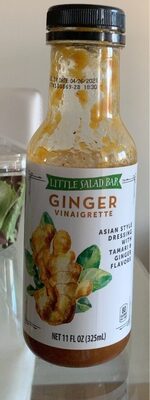 LITTLE SALAD BAR
Asian Style Vinaigrette Dressing With Tamari & Ginger, Tamari & Ginger
267kcal
3.3Protein
26.7Fat
6.7Carbs
LITTLE SALAD BAR
Asian Style Vinaigrette Dressing With Tamari & Ginger, Tamari & Ginger
267kcal
3.3Protein
26.7Fat
6.7Carbs