Roasted And Salted Pumpkin Seeds
What is Roasted And Salted Pumpkin Seeds?
Pumpkin seeds, also known as pepitas, are the edible seeds of a pumpkin or other winter squash. After harvesting, the seeds are removed from the squash, cleaned, and typically roasted and salted for consumption. Roasting brings out their nutty flavor and crunchy texture.
Is Roasted And Salted Pumpkin Seeds vegan?
Roasted And Salted Pumpkin Seeds is not animal-derived. Products that contain it can still include other animal-derived ingredients, so check the full ingredient list.
Is Roasted And Salted Pumpkin Seeds gluten-free?
Gluten is not present in pumpkin seeds.
Is Roasted And Salted Pumpkin Seeds a major allergen?
Pumpkin seeds are not one of the nine FDA major allergens.
What is Roasted And Salted Pumpkin Seeds used for?
Roasted and salted pumpkin seeds are often used as a snack food on their own.
Is Roasted And Salted Pumpkin Seeds safe?
Pumpkin seeds are a source of magnesium, zinc, and healthy fats.
Why it's used
Roasted and salted pumpkin seeds are often used as a snack food on their own. They are also incorporated into various products like granola bars, trail mixes, and baked goods to add texture, flavor, and nutritional value. Their savory taste complements both sweet and savory applications.
Health notes
Pumpkin seeds are a source of magnesium, zinc, and healthy fats. The FDA considers pumpkin seeds to be Generally Recognized As Safe (GRAS) for consumption. Regulatory bodies like EFSA have evaluated pumpkin seeds and found them to be safe. Typical consumption as part of a balanced diet is not associated with adverse health effects.
Allergen info
Pumpkin seeds are not one of the nine FDA major allergens. They are not derived from any of the major allergen groups. Gluten is not present in pumpkin seeds.
Foods that contain Roasted And Salted Pumpkin Seeds
Compare products →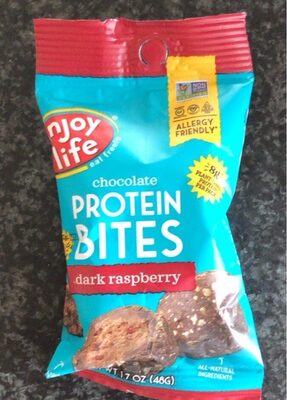
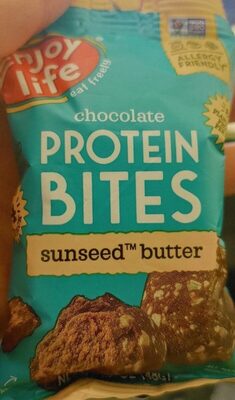
Learn more
Auto-generated content. This description was generated automatically and is pending editorial review. Inaccuracies are possible. Found a mistake? Contact us.