Roasted Rice
What is Roasted Rice?
Roasted rice is uncooked rice that has been browned by exposure to heat. It is often used to add a nutty flavor and aroma to foods and beverages. The roasting process can be done in a pan, oven, or other heating methods.
Is Roasted Rice vegan?
Roasted Rice is not animal-derived. Products that contain it can still include other animal-derived ingredients, so check the full ingredient list.
Is Roasted Rice gluten-free?
It does not contain gluten.
Is Roasted Rice a major allergen?
Rice is not one of the nine major allergens recognized by the FDA.
What is Roasted Rice used for?
Roasted rice is commonly used as a flavoring agent in Asian cuisine, particularly in teas and noodle dishes.
Is Roasted Rice safe?
Roasted rice is generally recognized as safe (GRAS) by the FDA when used as a food ingredient.
Why it's used
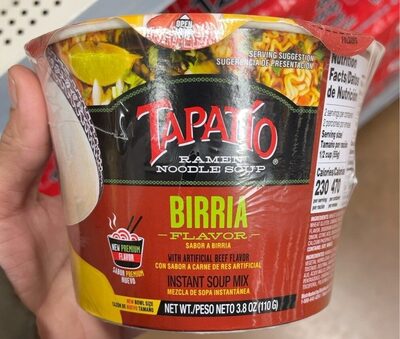
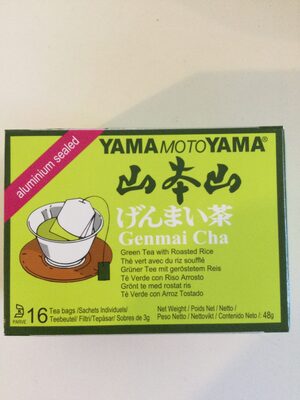
Roasted rice is commonly used as a flavoring agent in Asian cuisine, particularly in teas and noodle dishes. It imparts a distinct toasted, nutty taste and aroma. It is often found in products like Genmaicha tea and various instant noodle soups.
Health notes
Roasted rice is generally recognized as safe (GRAS) by the FDA when used as a food ingredient. It is a common food staple with no significant health concerns associated with its typical consumption. International bodies like JECFA have evaluated rice and its components, and it is not subject to specific regulatory restrictions when used as a food ingredient.
Allergen info
Rice is not one of the nine major allergens recognized by the FDA. It does not contain gluten.
Foods that contain Roasted Rice
Compare products →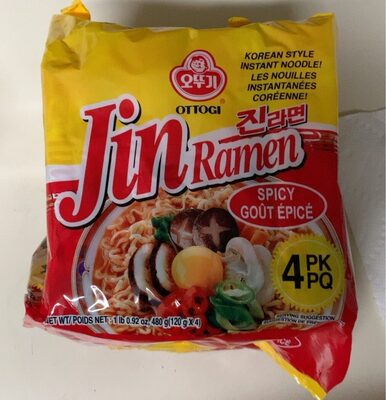
Learn more
Auto-generated content. This description was generated automatically and is pending editorial review. Inaccuracies are possible. Found a mistake? Contact us.