Roasted White Sesame Seed
Auto-generated content. This description was generated automatically and is pending editorial review. Inaccuracies are possible. Found a mistake? Contact us.
What it is
Roasted white sesame seeds are small, flat seeds from the Sesamum indicum plant, which has been cultivated for thousands of years. The seeds are typically roasted to enhance their nutty flavor and aroma before being used in food products. They are a common ingredient in cuisines around the world, particularly in Asia and the Middle East.
Why it's used
Manufacturers use roasted sesame seeds primarily for their distinct flavor and texture. They are often sprinkled on top of baked goods, salads, and stir-fries, or incorporated into spice blends and marinades. They can also be pressed to extract sesame oil, which is used as a cooking oil and flavoring agent.
Health notes
Sesame seeds are generally recognized as safe (GRAS) by the FDA for use in food. They are a source of healthy fats, protein, fiber, and various micronutrients. While generally considered safe, sesame is one of the nine major food allergens recognized by the FDA. JECFA has evaluated sesame and set an acceptable daily intake. Evidence does not suggest adverse health effects from typical dietary intake.
Allergen info
Sesame is one of the nine major food allergens recognized by the FDA. It is not a source of gluten.
Products containing Roasted White Sesame Seed
Compare products →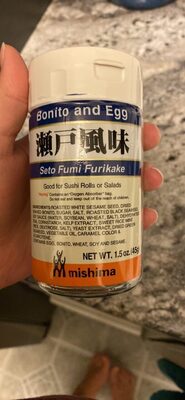 Wismettac Asian Foods, Inc.
Seto Fumi Furikake
400kcal
20Protein
20Fat
20Carbs
Wismettac Asian Foods, Inc.
Seto Fumi Furikake
400kcal
20Protein
20Fat
20Carbs
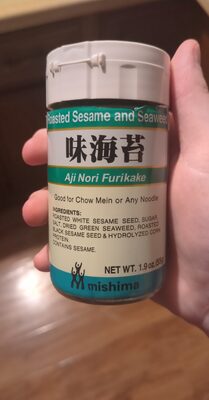 Wismettac Asian Foods, Inc.
Roasted Sesame And Seaweed
300kcal
20Protein
20Fat
20Carbs
Wismettac Asian Foods, Inc.
Mishima, Sprinkle Over Fish Or Salads
400kcal
20Protein
20Fat
20Carbs
Millennium Lawns, Inc.
Hawaii's Seasoned Shrimp Chips
464kcal
3.6Protein
28.6Fat
50Carbs
Mishima Foods USA Inc.
Nori Komi Furikake
400kcal
20Protein
20Fat
40Carbs
Mishima Foods USA Inc.
Mishima, Vegetable Seasoning For Rice With Dried Plum
143kcal
0Protein
0Fat
28.6Carbs
Wismettac Asian Foods, Inc.
Roasted Sesame And Seaweed
300kcal
20Protein
20Fat
20Carbs
Wismettac Asian Foods, Inc.
Mishima, Sprinkle Over Fish Or Salads
400kcal
20Protein
20Fat
20Carbs
Millennium Lawns, Inc.
Hawaii's Seasoned Shrimp Chips
464kcal
3.6Protein
28.6Fat
50Carbs
Mishima Foods USA Inc.
Nori Komi Furikake
400kcal
20Protein
20Fat
40Carbs
Mishima Foods USA Inc.
Mishima, Vegetable Seasoning For Rice With Dried Plum
143kcal
0Protein
0Fat
28.6Carbs