Auto-generated content.
This description was generated automatically and is pending editorial review.
Inaccuracies are possible. Found a mistake? Contact us.
Source
Not animal-derived
Allergen
No
Role in food
Rosemary extractives are primarily used as a natural antioxidant to help preserve the freshness …
What it is
Rosemary extractives are compounds derived from the rosemary plant (Salvia rosmarinus). They are typically produced by extracting the plant's oils and other compounds using solvents like ethanol or supercritical carbon dioxide. These extracts are valued for their antioxidant and flavoring properties.
Why it's used
Rosemary extractives are primarily used as a natural antioxidant to help preserve the freshness and flavor of foods, especially those containing fats and oils. They can prevent spoilage and rancidity, extending shelf life. They are found in a variety of processed foods, including meats, baked goods, and sauces.
Health notes
In the U.S., rosemary extractives are generally recognized as safe (GRAS) by the FDA when used as a flavoring or antioxidant. They are considered safe at the levels typically found in food. International bodies like the European Food Safety Authority (EFSA) have also evaluated rosemary extracts, generally finding them safe for use. Research suggests rosemary's antioxidant compounds may offer health benefits, but more studies are needed to confirm these effects in humans.
Allergen info
Rosemary extractives are not derived from any of the nine FDA major allergens. They are plant-based and do not contain gluten.
Note:
This site presents label data from USDA FoodData Central for general information. It is not medical advice.
Check the package label; formulations change.
 Kraft Heinz Foods Company
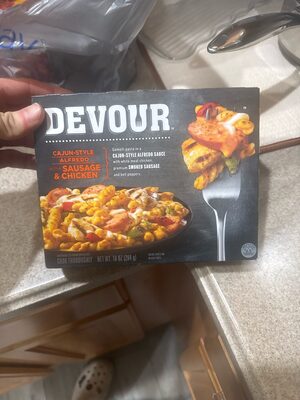
Cajun-Style Alfredo With Sausage & Chicken, Cajun-Style
High in sodium — 45% DV per serving
High in saturated fat — 50% DV per serving
High in cholesterol — 25% DV per serving
144kcal
9.5Protein
6.7Fat
12.0Carbs
Kraft Heinz Foods Company
Cajun-Style Alfredo With Sausage & Chicken, Cajun-Style
High in sodium — 45% DV per serving
High in saturated fat — 50% DV per serving
High in cholesterol — 25% DV per serving
144kcal
9.5Protein
6.7Fat
12.0Carbs