Rosemary Garlic Seasoning
Auto-generated content. This description was generated automatically and is pending editorial review. Inaccuracies are possible. Found a mistake? Contact us.
What it is
Rosemary garlic seasoning is a blend of dried rosemary and garlic, often combined with other spices and herbs. Rosemary is an aromatic herb from the Mediterranean region, while garlic is a pungent bulb widely used in cooking. The blend is typically created by drying and grinding these ingredients, then mixing them to create a savory flavor profile.
Why it's used
Manufacturers use rosemary garlic seasoning to add a savory, herbaceous, and slightly pungent flavor to a variety of foods. It is commonly found in prepared meals, roasted meats, poultry dishes, snacks like chips and pretzels, and marinades. The blend enhances the overall taste and aroma of food products.
Health notes
Rosemary garlic seasoning is generally recognized as safe (GRAS) by the FDA when used as a flavoring. Both rosemary and garlic have been studied for potential health benefits, with some research suggesting antioxidant and anti-inflammatory properties. However, these effects are typically associated with consuming them in whole food forms or concentrated extracts, and evidence for health benefits from seasoning levels is limited. Regulatory bodies like JECFA and EFSA have evaluated individual components of such seasonings, but specific evaluations for the blend are not common.
Allergen info
Rosemary garlic seasoning is not derived from any of the 9 FDA major allergens. It does not contain gluten.
Products containing Rosemary Garlic Seasoning
Compare products →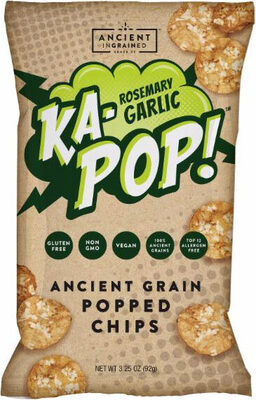 inGRAINed, Inc.
Rosemary Garlic Ancient Grain Popped Chips, Rosemary Garlic
393kcal
10.7Protein
14.3Fat
60.7Carbs
Safeway, Inc.
Rosemary & Garlic Whole Roasted Chicken, Rosemary & Garlic
High in cholesterol — 32% DV per serving
179kcal
23.8Protein
9.5Fat
2.4Carbs
inGRAINed, Inc.
Rosemary Garlic Ancient Grain Popped Chips, Rosemary Garlic
393kcal
10.7Protein
14.3Fat
60.7Carbs
Safeway, Inc.
Rosemary & Garlic Whole Roasted Chicken, Rosemary & Garlic
High in cholesterol — 32% DV per serving
179kcal
23.8Protein
9.5Fat
2.4Carbs