Saffron
What is Saffron?
Saffron is a spice derived from the flower of the Crocus sativus plant. The crimson stigmas (thread-like parts) of the flower are carefully harvested by hand. These threads are then dried and used as a spice and coloring agent.
Is Saffron vegan?
Saffron is not animal-derived. Products that contain it can still include other animal-derived ingredients, so check the full ingredient list.
Is Saffron gluten-free?
It does not contain gluten.
Is Saffron a major allergen?
Saffron is not derived from any of the 9 FDA major allergens.
What is Saffron used for?
Saffron is primarily used to impart a distinct flavor, aroma, and yellow-orange color to foods.
Is Saffron safe?
Saffron is generally recognized as safe (GRAS) by the FDA for use as a spice and flavoring.
Why it's used
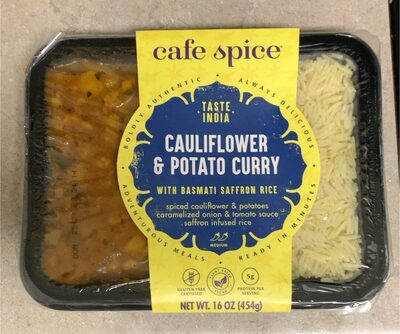
Saffron is primarily used to impart a distinct flavor, aroma, and yellow-orange color to foods. It is commonly found in rice dishes like paella and risotto, baked goods, and various savory preparations. Manufacturers use it as a natural coloring and flavoring agent.
Health notes
Saffron is generally recognized as safe (GRAS) by the FDA for use as a spice and flavoring. It is rich in antioxidants. Some studies suggest potential benefits for mood and cognitive function, but more research is needed. JECFA has evaluated saffron and established an acceptable daily intake. EFSA has also evaluated it.
Allergen info
Saffron is not derived from any of the 9 FDA major allergens. It does not contain gluten.
Foods that contain Saffron
Compare products →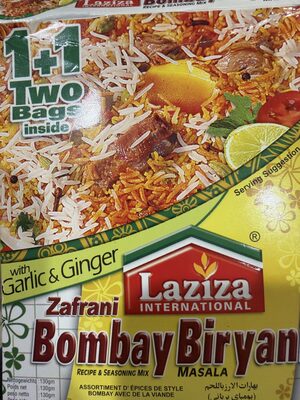
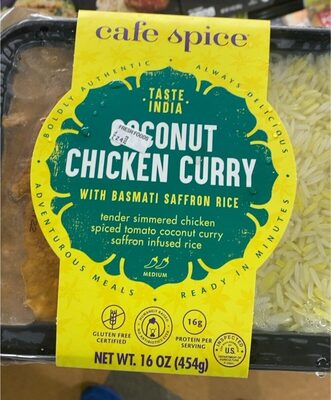
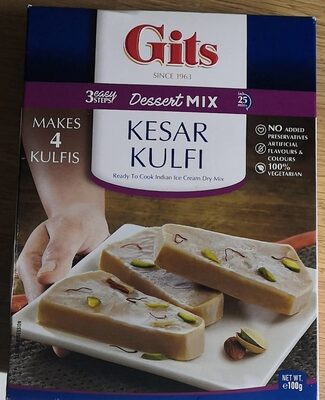
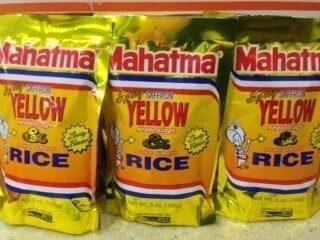
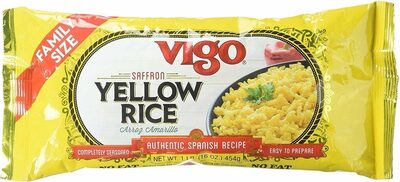
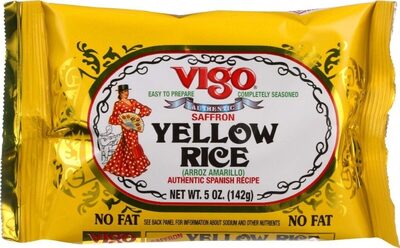
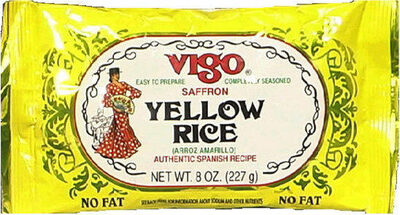 VIGO
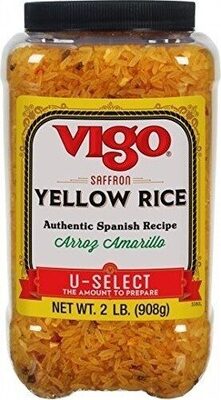
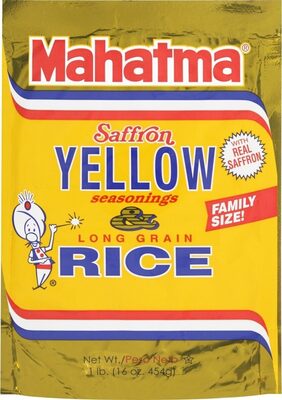
Vigo, Saffron Yellow Rice
High in sodium — 32% DV per serving
339kcal
8.9Protein
0Fat
76.8Carbs
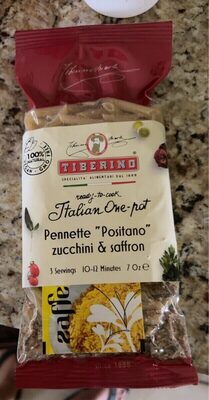 Tiberino
Italian One-Pot Pennette "Positano" Zucchini & Saffron
371kcal
13.0Protein
1.4Fat
74.7Carbs
Learn more
Auto-generated content. This description was generated automatically and is pending editorial review. Inaccuracies are possible. Found a mistake? Contact us.