Salt And Baking Soda
What is Salt And Baking Soda?
Salt, or sodium chloride, is a mineral found naturally in seawater and underground deposits. Baking soda, also known as sodium bicarbonate, is a white crystalline powder that occurs naturally as the mineral nahcolite. Both are manufactured for commercial use.
Is Salt And Baking Soda vegan?
Salt And Baking Soda is not animal-derived. Products that contain it can still include other animal-derived ingredients, so check the full ingredient list.
Is Salt And Baking Soda gluten-free?
They do not contain gluten.
Is Salt And Baking Soda a major allergen?
Salt and baking soda are not derived from any of the 9 FDA major allergens.
What is Salt And Baking Soda used for?
Salt is primarily used to enhance flavor and as a preservative.
Is Salt And Baking Soda safe?
Salt is essential for human health, but high intake is linked to increased blood pressure.
Why it's used
Salt is primarily used to enhance flavor and as a preservative. Baking soda is a common leavening agent in baked goods, helping them rise and become fluffy. They are often found together in processed foods like cookies, cakes, and canned goods.
Health notes
Salt is essential for human health, but high intake is linked to increased blood pressure. The FDA considers salt generally recognized as safe (GRAS) when used as intended. Baking soda is also GRAS. JECFA has evaluated both substances and established acceptable daily intakes. While generally safe in typical food amounts, excessive sodium intake is a public health concern.
Allergen info
Salt and baking soda are not derived from any of the 9 FDA major allergens. They do not contain gluten.
Foods that contain Salt And Baking Soda
Compare products →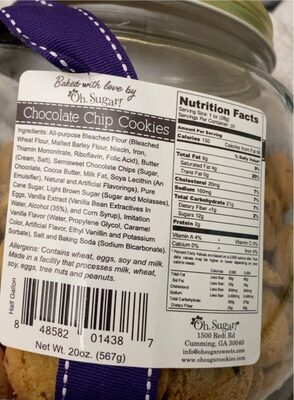
Auto-generated content. This description was generated automatically and is pending editorial review. Inaccuracies are possible. Found a mistake? Contact us.