Salt & Wheat
What is Salt & Wheat?
Salt is a mineral composed primarily of sodium chloride (NaCl). It is essential for life and is found naturally in seawater and underground deposits. Wheat is a cereal grain, a staple food grown in many parts of the world. It is ground into flour for use in baking and cooking.
Is Salt & Wheat vegan?
Salt & Wheat is not animal-derived. Products that contain it can still include other animal-derived ingredients, so check the full ingredient list.
Is Salt & Wheat gluten-free?
It contains gluten, a protein that can cause adverse reactions in individuals with celiac disease or gluten sensitivity.
Is Salt & Wheat a major allergen?
Wheat is one of the 9 major allergens recognized by the FDA.
What is Salt & Wheat used for?
Salt is used to enhance flavor and act as a preservative in many foods.
Is Salt & Wheat safe?
The FDA sets the Daily Value for sodium at 2,300 mg per day.
Why it's used
Salt is used to enhance flavor and act as a preservative in many foods. Wheat flour is a primary ingredient in baked goods like bread, pasta, and noodles, and is also used as a thickener in sauces and gravies.
Health notes
The FDA sets the Daily Value for sodium at 2,300 mg per day. High sodium intake is linked to increased blood pressure in some individuals. The Dietary Guidelines for Americans recommend limiting added sugars and saturated fat. Excessive consumption of refined grains, like white flour, may offer fewer nutrients compared to whole grains.
Allergen info
Wheat is one of the 9 major allergens recognized by the FDA. It contains gluten, a protein that can cause adverse reactions in individuals with celiac disease or gluten sensitivity.
Foods that contain Salt & Wheat
Compare products →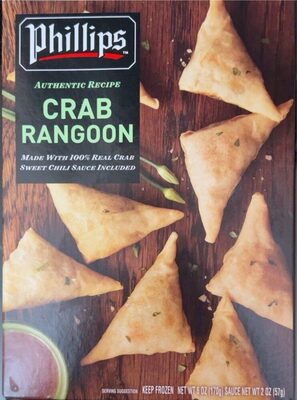
Learn more
Auto-generated content. This description was generated automatically and is pending editorial review. Inaccuracies are possible. Found a mistake? Contact us.