Scombridae
What is Scombridae?
Scombridae is the scientific family name for a group of fish that includes tuna, mackerel, and bonito. These fish are found in oceans worldwide and are a popular source of protein. They are typically caught by commercial fishing operations and then processed for sale, often canned or sold fresh or frozen.
Is Scombridae vegan?
No. Scombridae is animal-derived, so it is not vegan.
Is Scombridae a major allergen?
Scombridae is a fish, which is one of the 9 major allergens recognized by the FDA.
What is Scombridae used for?
Scombridae, most commonly tuna, is a popular protein source in many packaged foods.
Is Scombridae safe?
Tuna is a good source of protein, omega-3 fatty acids, and vitamin D.
Why it's used
Scombridae, most commonly tuna, is a popular protein source in many packaged foods. It is often canned in water or oil and used in products like tuna salads, sandwiches, and casseroles. Its firm texture and mild flavor make it versatile for various culinary applications.
Health notes
Tuna is a good source of protein, omega-3 fatty acids, and vitamin D. However, some larger, longer-lived species of tuna can accumulate mercury. The FDA advises that pregnant women, those who might become pregnant, nursing mothers, and young children limit consumption of certain types of tuna due to mercury levels. The FDA has not set a specific limit for mercury in fish, but provides guidance on consumption.
Allergen info
Scombridae is a fish, which is one of the 9 major allergens recognized by the FDA. Consumers with a fish allergy should avoid products containing Scombridae.
Foods that contain Scombridae
Compare products →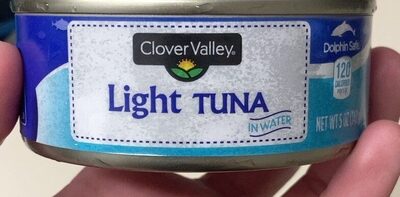 Royal Food Import Corporation
Chunk Light Tuna In Water, Chunk Light
141kcal
16.5Protein
7.1Fat
2.4Carbs
Royal Food Import Corporation
Chunk Light Tuna In Water, Chunk Light
141kcal
16.5Protein
7.1Fat
2.4Carbs
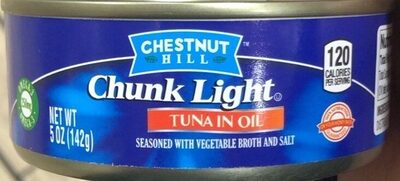 Family Dollar Stores Inc.
Chunk Light Tuna In Oil
141kcal
16.5Protein
7.1Fat
2.4Carbs
Family Dollar Stores Inc.
Chunk Light Tuna In Oil
141kcal
16.5Protein
7.1Fat
2.4Carbs
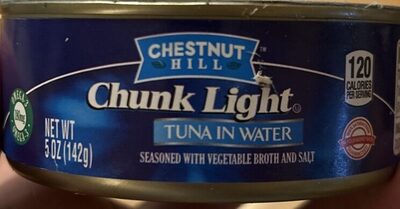 Family Dollar Stores Inc.
Chunk Light Tuna In Water, Chunk Light
141kcal
16.5Protein
7.1Fat
2.4Carbs
Trujillo & Sons Inc.
Chunk Light Tuna In Water
141kcal
16.5Protein
7.1Fat
2.4Carbs
Family Dollar Stores Inc.
Chunk Light Tuna In Water, Chunk Light
141kcal
16.5Protein
7.1Fat
2.4Carbs
Trujillo & Sons Inc.
Chunk Light Tuna In Water
141kcal
16.5Protein
7.1Fat
2.4Carbs
Learn more
Auto-generated content. This description was generated automatically and is pending editorial review. Inaccuracies are possible. Found a mistake? Contact us.