Scone
What is Scone?
A scone is a small, often lightly sweetened, baked good typically made from wheat flour, fat (such as butter), a leavening agent (like baking powder), and a liquid (such as milk or cream). It is a type of quick bread, meaning it uses chemical leavening rather than yeast to rise.
Is Scone a major allergen?
Scones commonly contain major allergens such as wheat (for flour), milk (dairy), and sometimes eggs.
What is Scone used for?
Scones are primarily consumed as a standalone baked good, commonly served for breakfast, afternoon tea, or as a snack.
Is Scone safe?
Since 'scone' refers to a finished baked good rather than a single ingredient, its nutritional profile, including levels of added sugars, fats, and sodium, varies significantly by recipe.
Why it's used
Scones are primarily consumed as a standalone baked good, commonly served for breakfast, afternoon tea, or as a snack. They are not typically added as an ingredient to other processed foods, but may be found as a component in mixed baked good assortments.
Health notes
Since 'scone' refers to a finished baked good rather than a single ingredient, its nutritional profile, including levels of added sugars, fats, and sodium, varies significantly by recipe. The FDA does not regulate 'scone' as a food additive. International bodies like JECFA and EFSA do not evaluate finished food products like scones.
Allergen info
Scones commonly contain major allergens such as wheat (for flour), milk (dairy), and sometimes eggs. Depending on the recipe, they may also contain tree nuts or soy.
Foods that contain Scone
Compare products →
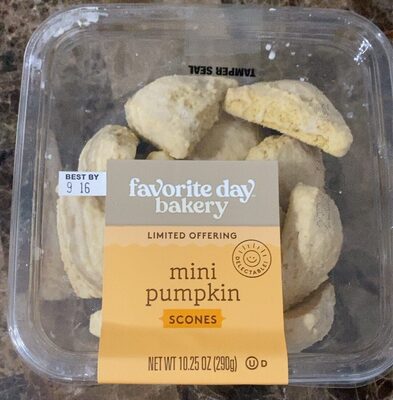
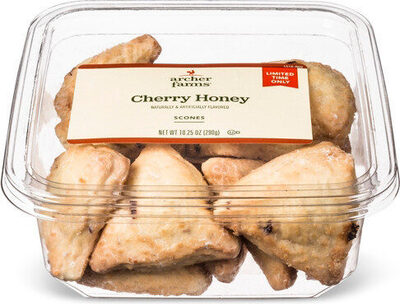

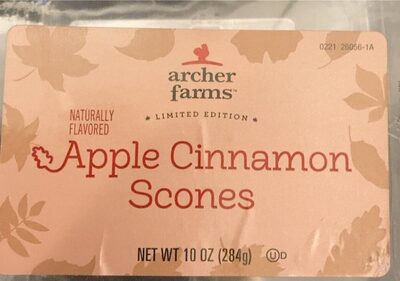
Learn more
Auto-generated content. This description was generated automatically and is pending editorial review. Inaccuracies are possible. Found a mistake? Contact us.