Sea Salt And Organic Yeast
What is Sea Salt And Organic Yeast?
Sea salt is obtained by evaporating seawater, resulting in sodium chloride along with various trace minerals. Organic yeast is a single-celled microorganism, a type of fungus, that is grown and processed according to organic agricultural standards.
Is Sea Salt And Organic Yeast vegan?
Sea Salt And Organic Yeast is not animal-derived. Products that contain it can still include other animal-derived ingredients, so check the full ingredient list.
Is Sea Salt And Organic Yeast a major allergen?
Neither sea salt nor yeast are considered major allergens by the FDA.
What is Sea Salt And Organic Yeast used for?
When combined, these ingredients are primarily used to enhance flavor, act as a natural preservative, and provide leavening in baked goods.
Is Sea Salt And Organic Yeast safe?
Both sea salt and yeast are generally recognized as safe (GRAS) by the FDA.
Why it's used
When combined, these ingredients are primarily used to enhance flavor, act as a natural preservative, and provide leavening in baked goods. They are commonly found in products like crackers, breads, and other savory snacks.
Health notes
Both sea salt and yeast are generally recognized as safe (GRAS) by the FDA. JECFA has evaluated both ingredients. While yeast is generally consumed without concern, high intake of sodium from sea salt is a public health concern. The FDA Daily Value for sodium is 2,300 mg.
Allergen info
Neither sea salt nor yeast are considered major allergens by the FDA.
Foods that contain Sea Salt And Organic Yeast
Compare products →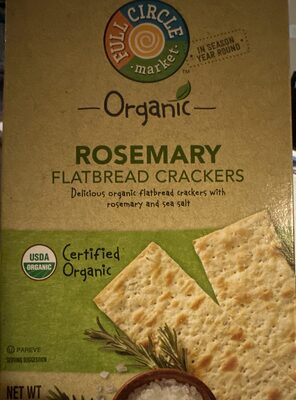

Learn more
Auto-generated content. This description was generated automatically and is pending editorial review. Inaccuracies are possible. Found a mistake? Contact us.