Seaweeds
What is Seaweeds?
Seaweeds are a diverse group of marine algae, including red, green, and brown varieties. They grow naturally in oceans and seas worldwide and are harvested for food. Processing typically involves washing, drying, and sometimes roasting or seasoning.
Is Seaweeds vegan?
Seaweeds is not animal-derived. Products that contain it can still include other animal-derived ingredients, so check the full ingredient list.
Is Seaweeds gluten-free?
It does not contain gluten.
Is Seaweeds a major allergen?
Seaweed is not one of the nine major allergens recognized by the FDA.
What is Seaweeds used for?
Seaweed is used as a food ingredient for its unique umami flavor and texture.
Is Seaweeds safe?
Seaweed is generally recognized as safe (GRAS) by the FDA for use in food.
Why it's used
Seaweed is used as a food ingredient for its unique umami flavor and texture. It can act as a natural thickener, emulsifier, or stabilizer in various food products. It is commonly found in snacks, soups, noodles, and as a wrapper for sushi.
Health notes
Seaweed is generally recognized as safe (GRAS) by the FDA for use in food. It is a source of various minerals, including iodine, which is essential for thyroid function. However, excessive iodine intake can also cause thyroid problems. JECFA has evaluated seaweed and its extracts. The WHO has noted that seaweed can be a source of naturally occurring heavy metals depending on where it is harvested.
Allergen info
Seaweed is not one of the nine major allergens recognized by the FDA. It does not contain gluten.
Foods that contain Seaweeds
Compare products →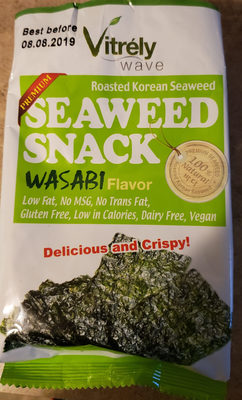

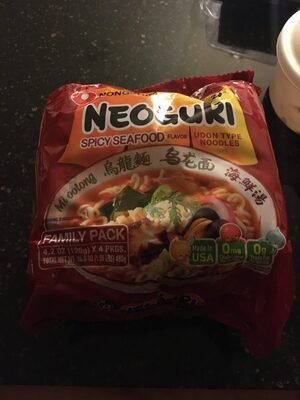
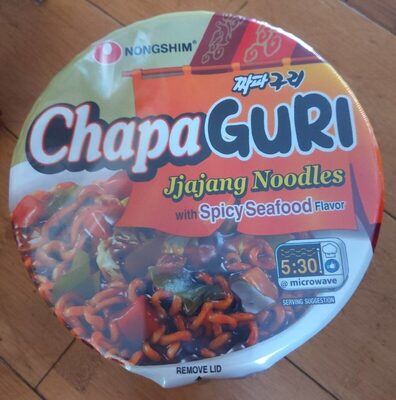

Auto-generated content. This description was generated automatically and is pending editorial review. Inaccuracies are possible. Found a mistake? Contact us.