Semolina Durum Flour
What is Semolina Durum Flour?
Semolina durum flour is a coarse flour made from durum wheat, a hard variety of wheat. It is the main ingredient in traditional pasta. The milling process separates the bran and germ from the endosperm, which is then ground into semolina.
Is Semolina Durum Flour vegan?
Semolina Durum Flour is not animal-derived. Products that contain it can still include other animal-derived ingredients, so check the full ingredient list.
Is Semolina Durum Flour gluten-free?
It contains gluten.
Is Semolina Durum Flour a major allergen?
Semolina durum flour is derived from wheat, which is one of the 9 FDA major allergens.
What is Semolina Durum Flour used for?
Manufacturers use semolina durum flour primarily to make pasta due to its firm texture and ability to hold its shape when cooked.
Is Semolina Durum Flour safe?
Semolina durum flour is considered a grain and is a source of carbohydrates, protein, and some B vitamins.
Why it's used
Manufacturers use semolina durum flour primarily to make pasta due to its firm texture and ability to hold its shape when cooked. It is also used in couscous, bread, and some desserts. Its high protein content contributes to the structure of baked goods.
Health notes
Semolina durum flour is considered a grain and is a source of carbohydrates, protein, and some B vitamins. It is not subject to FDA regulation as a food additive. Like all wheat products, it contains gluten. There are no specific health concerns associated with its consumption at typical dietary levels.
Allergen info
Semolina durum flour is derived from wheat, which is one of the 9 FDA major allergens. It contains gluten.
Foods that contain Semolina Durum Flour
Compare products →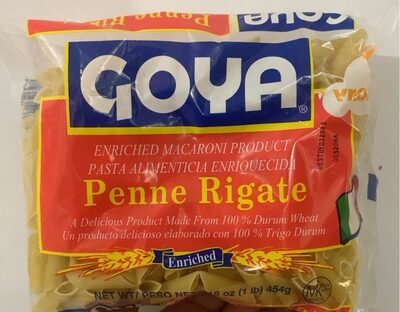
Learn more
Auto-generated content. This description was generated automatically and is pending editorial review. Inaccuracies are possible. Found a mistake? Contact us.