Sherry Cooking Wine
What is Sherry Cooking Wine?
Sherry cooking wine is a fortified wine made from white grapes, typically Palomino, grown in the Andalusia region of Spain. It is produced using a unique aging process called solera, which involves fractional blending of wines from different ages. Cooking sherry has salt added and is not intended for drinking.
Is Sherry Cooking Wine gluten-free?
It does not contain gluten.
Is Sherry Cooking Wine a major allergen?
Sherry cooking wine is not derived from any of the nine FDA major allergens.
What is Sherry Cooking Wine used for?
Manufacturers add sherry cooking wine for its distinct flavor and aroma, which can enhance savory dishes.
Is Sherry Cooking Wine safe?
Sherry cooking wine is generally recognized as safe (GRAS) by the FDA when used as a food ingredient.
Why it's used
Manufacturers add sherry cooking wine for its distinct flavor and aroma, which can enhance savory dishes. It is commonly used in sauces, marinades, gravies, and to deglaze pans when cooking meats and vegetables.
Health notes
Sherry cooking wine is generally recognized as safe (GRAS) by the FDA when used as a food ingredient. The alcohol content is significantly reduced during cooking, leaving primarily flavor compounds. The Joint FAO/WHO Expert Committee on Food Additives (JECFA) has evaluated wine and its components, but specific evaluations for cooking sherry may not have a publicly stated ADI. Evidence does not suggest adverse health effects from typical culinary use.
Allergen info
Sherry cooking wine is not derived from any of the nine FDA major allergens. It does not contain gluten.
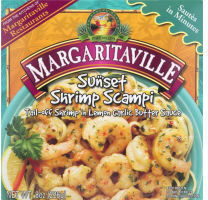
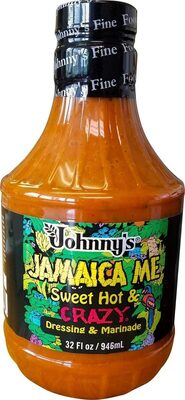
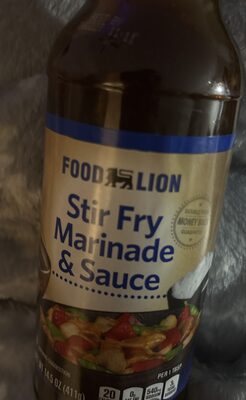
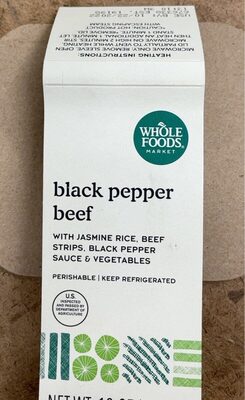
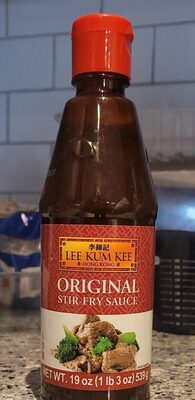
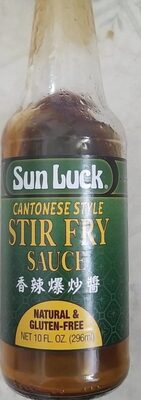
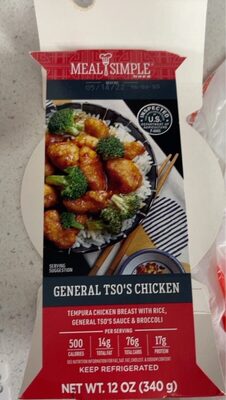
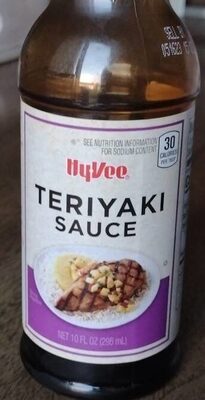
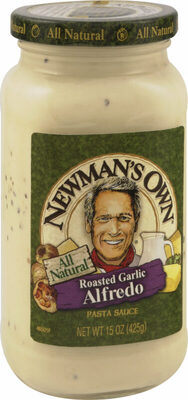
Foods that contain Sherry Cooking Wine
Compare products →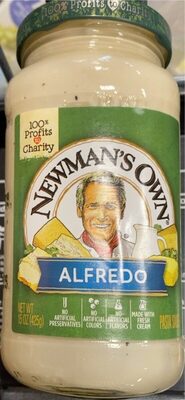
Learn more
Auto-generated content. This description was generated automatically and is pending editorial review. Inaccuracies are possible. Found a mistake? Contact us.