Shortening Blend
Auto-generated content. This description was generated automatically and is pending editorial review. Inaccuracies are possible. Found a mistake? Contact us.
What it is
Shortening blend is a mixture of fats, typically vegetable oils, that are solid at room temperature. These fats are processed to achieve specific textures and melting points, often through hydrogenation or interesterification.
Why it's used
Manufacturers add shortening to baked goods like cookies, biscuits, and pastries to create a tender, flaky texture and improve mouthfeel. It also helps extend the shelf life of products by preventing staleness.
Health notes
Shortening is a source of dietary fat. Historically, many shortenings contained partially hydrogenated oils (PHOs), which were a major source of artificial trans fats. The FDA determined that PHOs are no longer generally recognized as safe (GRAS) since 2018, effectively removing most artificial trans fats from the food supply. Current shortenings are typically made with fully hydrogenated or interesterified oils, which do not contain artificial trans fats but can be high in saturated fat. The Dietary Guidelines for Americans (2025-2030) recommend limiting saturated fat intake to less than 10% of daily calories.
Allergen info
Not a major allergen.
Products containing Shortening Blend
Compare products →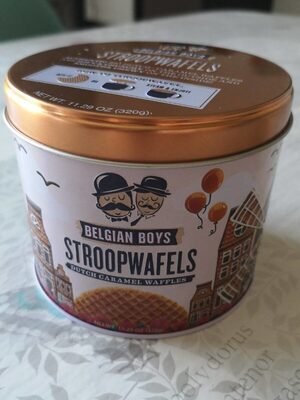 B BOYS, LLC
Dutch Caramel Stroopwafels, Dutch Caramel
High in saturated fat — 25% DV per serving
High in added sugars — 26% DV per serving
475kcal
2.5Protein
25Fat
62.5Carbs
Nestle USA Inc.
Philly Steak & Cheese With Beef Steak, Reduced Fat Mozzarella Cheese, Peppers, Onions & Sauce In A Seasoned Crust Sandwiches, Philly Steak & Cheese
High in sodium — 34% DV per serving
High in saturated fat — 30% DV per serving
236kcal
7.1Protein
9.4Fat
29.9Carbs
B BOYS, LLC
Dutch Caramel Stroopwafels, Dutch Caramel
High in saturated fat — 25% DV per serving
High in added sugars — 26% DV per serving
475kcal
2.5Protein
25Fat
62.5Carbs
Nestle USA Inc.
Philly Steak & Cheese With Beef Steak, Reduced Fat Mozzarella Cheese, Peppers, Onions & Sauce In A Seasoned Crust Sandwiches, Philly Steak & Cheese
High in sodium — 34% DV per serving
High in saturated fat — 30% DV per serving
236kcal
7.1Protein
9.4Fat
29.9Carbs