Shredded Carrots
What is Shredded Carrots?
Shredded carrots are raw carrots that have been finely cut into thin strips. Carrots are root vegetables, typically orange in color, known for their crunchy texture and slightly sweet flavor. They are washed, peeled, and then shredded using specialized equipment.
Is Shredded Carrots vegan?
Shredded Carrots is not animal-derived. Products that contain it can still include other animal-derived ingredients, so check the full ingredient list.
Is Shredded Carrots gluten-free?
Carrots are not one of the nine major allergens recognized by the FDA, nor do they naturally contain gluten.
What is Shredded Carrots used for?
Shredded carrots are used to add color, texture, and a mild sweetness to a variety of foods.
Is Shredded Carrots safe?
Shredded carrots are a natural food product and are generally recognized as safe (GRAS) by the FDA when used as food.
Why it's used
Shredded carrots are used to add color, texture, and a mild sweetness to a variety of foods. They are commonly found in pre-packaged salads, pasta sauces, stir-fry mixes, and baked goods like carrot cake. Their texture can also add bulk and moisture to dishes.
Health notes
Shredded carrots are a natural food product and are generally recognized as safe (GRAS) by the FDA when used as food. They are a good source of beta-carotene, fiber, and various vitamins and minerals. While generally considered healthy, excessive consumption of any single food is not recommended. Regulatory bodies like JECFA and EFSA have evaluated carrots as a foodstuff.
Allergen info
Carrots are not one of the nine major allergens recognized by the FDA, nor do they naturally contain gluten.
Foods that contain Shredded Carrots
Compare products →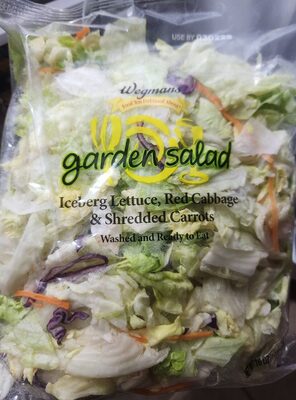
Auto-generated content. This description was generated automatically and is pending editorial review. Inaccuracies are possible. Found a mistake? Contact us.