Smoked Baby Clams
What is Smoked Baby Clams?
Smoked baby clams are small, immature clams that have been preserved through smoking. The smoking process imparts a distinct smoky flavor and helps to extend shelf life. They are typically canned or jarred, often packed in oil or brine.
Is Smoked Baby Clams vegan?
No. Smoked Baby Clams is animal-derived, so it is not vegan.
Is Smoked Baby Clams a major allergen?
Smoked baby clams are a shellfish, which is one of the 9 FDA major allergens.
What is Smoked Baby Clams used for?
Smoked baby clams are used to add a savory, smoky seafood flavor to various dishes.
Is Smoked Baby Clams safe?
Smoked baby clams are a source of protein and minerals like zinc and selenium.
Why it's used
Smoked baby clams are used to add a savory, smoky seafood flavor to various dishes. They are commonly found in canned seafood products, appetizers, pasta sauces, and seafood salads. Their intense flavor makes them a potent ingredient even in small amounts.
Health notes
Smoked baby clams are a source of protein and minerals like zinc and selenium. Like other seafood, they can contain naturally occurring sodium. The FDA has not established specific regulations for 'smoked baby clams' as a distinct ingredient, but they fall under general seafood safety guidelines. Regulatory bodies like JECFA and EFSA have evaluated various seafood products, but no specific evaluations for 'smoked baby clams' are widely published.
Allergen info
Smoked baby clams are a shellfish, which is one of the 9 FDA major allergens. Consumers with shellfish allergies should avoid this ingredient.
Foods that contain Smoked Baby Clams
Compare products →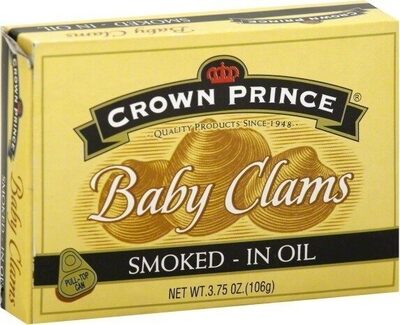
Auto-generated content. This description was generated automatically and is pending editorial review. Inaccuracies are possible. Found a mistake? Contact us.