Cottonseed Oil
What is Cottonseed Oil?
Cottonseed oil is a vegetable oil extracted from the seeds of cotton plants. The seeds are cleaned, dehulled, and then pressed or solvent-extracted to obtain the oil. It is then refined, bleached, and deodorized for culinary use.
Is Cottonseed Oil vegan?
Cottonseed Oil is not animal-derived. Products that contain it can still include other animal-derived ingredients, so check the full ingredient list.
Is Cottonseed Oil a major allergen?
Not a major allergen.
What is Cottonseed Oil used for?
Manufacturers use cottonseed oil as a cooking oil, for frying, and as an ingredient in various processed foods.
Is Cottonseed Oil safe?
Cottonseed oil is generally recognized as safe (GRAS) by the FDA for its intended uses.
Why it's used
Manufacturers use cottonseed oil as a cooking oil, for frying, and as an ingredient in various processed foods. It is valued for its neutral flavor, good stability, and ability to withstand high cooking temperatures. It is commonly found in snack foods, baked goods, and salad dressings.
Health notes
Cottonseed oil is generally recognized as safe (GRAS) by the FDA for its intended uses. It is a source of dietary fat, containing saturated, monounsaturated, and polyunsaturated fatty acids. Historically, cottonseed oil was a common source of artificial trans fats when partially hydrogenated, but partially hydrogenated oils (PHOs) are no longer considered GRAS by the FDA since 2018, effectively removing most artificial trans fats from the food supply. JECFA has evaluated dietary fats as part of overall nutrition, but it does not set an acceptable daily intake (ADI) for cottonseed oil specifically as a food additive.
Allergen info
Not a major allergen.
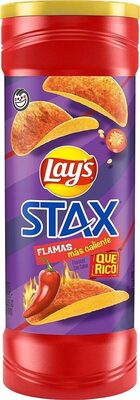
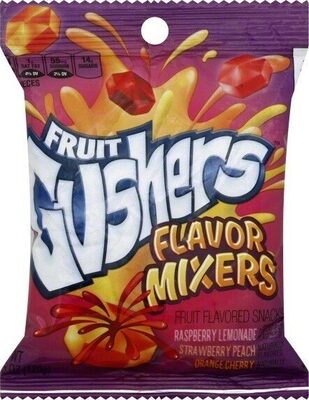
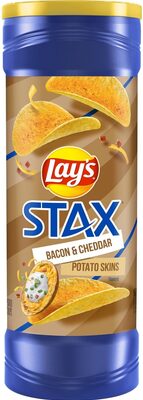
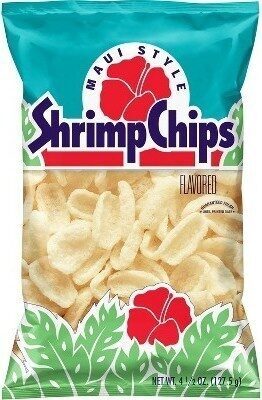
Foods that contain Cottonseed Oil
Compare products →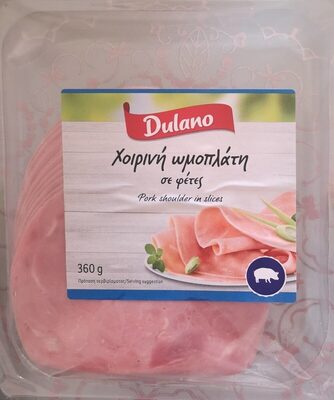
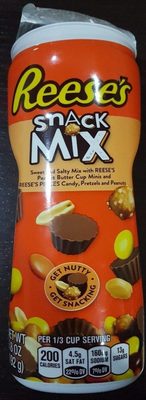
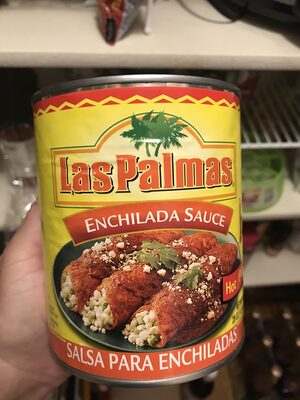
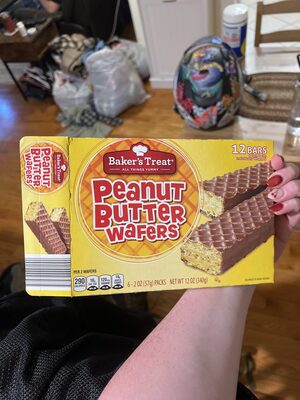
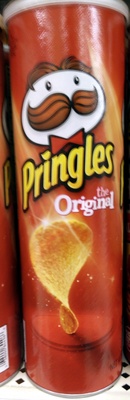
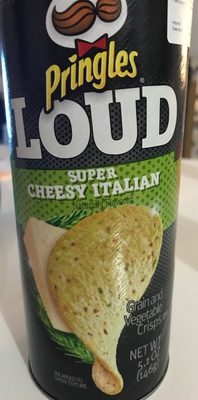
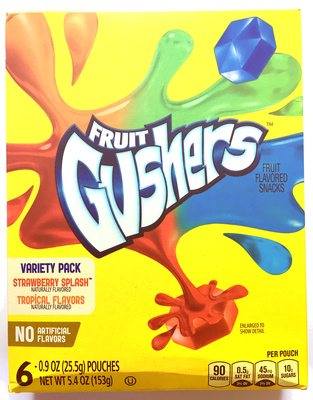
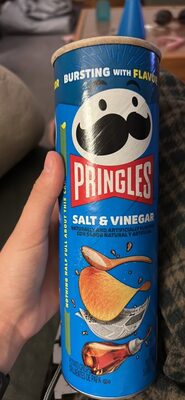
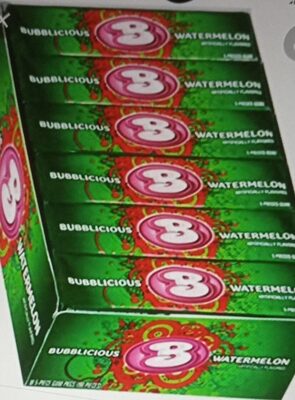 Mondelez Int. US (0074819091009)
Bubblicious Gum Assorted 1X3.000 Pk
321kcal
0Protein
0Fat
76.9Carbs
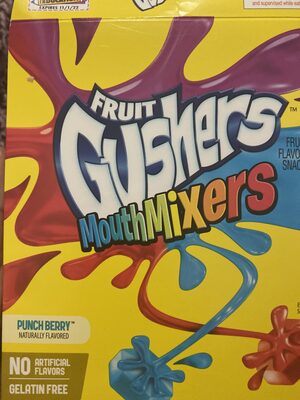
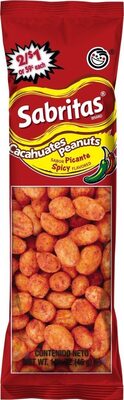
Learn more
Auto-generated content. This description was generated automatically and is pending editorial review. Inaccuracies are possible. Found a mistake? Contact us.