Smoked Cherrywood Ham
What is Smoked Cherrywood Ham?
Smoked cherrywood ham is pork that has been cured and then smoked using cherrywood chips. Curing typically involves a salt brine, sometimes with added sugar and curing agents like sodium nitrite. The smoking process imparts a distinct flavor and aroma.
Is Smoked Cherrywood Ham vegan?
No. Smoked Cherrywood Ham is animal-derived, so it is not vegan.
Is Smoked Cherrywood Ham gluten-free?
Gluten is not typically present unless added during processing.
Is Smoked Cherrywood Ham a major allergen?
Not a major allergen.
What is Smoked Cherrywood Ham used for?
Manufacturers use smoked cherrywood ham as a flavorful protein ingredient in a wide variety of prepared foods.
Is Smoked Cherrywood Ham safe?
Smoked cherrywood ham is a source of protein and various nutrients.
Why it's used
Manufacturers use smoked cherrywood ham as a flavorful protein ingredient in a wide variety of prepared foods. Its savory, smoky taste makes it popular in sandwiches, wraps, salads, and pizzas. It adds a distinct flavor profile and texture to these items.
Health notes
Smoked cherrywood ham is a source of protein and various nutrients. However, processed meats like ham can be high in sodium and, if cured with nitrites, may contain nitrosamines, which have been linked to health concerns in some studies. The World Health Organization (WHO) has classified processed meats as carcinogenic to humans. Consumers looking to reduce sodium intake may want to limit their consumption of processed meats.
Allergen info
Not a major allergen. Gluten is not typically present unless added during processing.
Foods that contain Smoked Cherrywood Ham
Compare products →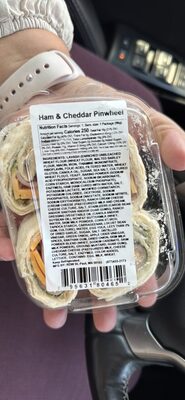 Russ Davis Wholesale
Ham And Cheddar Pinwheel, Ham And Cheddar
High in sodium — 33% DV per serving
High in saturated fat — 35% DV per serving
High in cholesterol — 20% DV per serving
292kcal
17.7Protein
14.6Fat
19.8Carbs
Russ Davis Wholesale
Italian Style Half Sub Sandwich, Italian Style
High in sodium — 47% DV per serving
High in saturated fat — 35% DV per serving
241kcal
13.1Protein
10.3Fat
23.4Carbs
Russ Davis Wholesale
Ham & Pickle Pinwheel, Ham & Pickle
High in sodium — 20% DV per serving
High in saturated fat — 30% DV per serving
250kcal
14.6Protein
12.5Fat
—Carbs
Russ Davis Wholesale
Ham And Cheddar Pinwheel, Ham And Cheddar
High in sodium — 33% DV per serving
High in saturated fat — 35% DV per serving
High in cholesterol — 20% DV per serving
292kcal
17.7Protein
14.6Fat
19.8Carbs
Russ Davis Wholesale
Italian Style Half Sub Sandwich, Italian Style
High in sodium — 47% DV per serving
High in saturated fat — 35% DV per serving
241kcal
13.1Protein
10.3Fat
23.4Carbs
Russ Davis Wholesale
Ham & Pickle Pinwheel, Ham & Pickle
High in sodium — 20% DV per serving
High in saturated fat — 30% DV per serving
250kcal
14.6Protein
12.5Fat
—Carbs
Learn more
Auto-generated content. This description was generated automatically and is pending editorial review. Inaccuracies are possible. Found a mistake? Contact us.