Smoked Salt
What is Smoked Salt?
Smoked salt is a type of salt that has been exposed to smoke from various wood types, such as hickory, applewood, or mesquite. This process infuses the salt crystals with a distinct smoky flavor and aroma. It is typically made by cold-smoking salt flakes or crystals for an extended period.
Is Smoked Salt vegan?
Smoked Salt is not animal-derived. Products that contain it can still include other animal-derived ingredients, so check the full ingredient list.
Is Smoked Salt a major allergen?
Smoked salt is not a major allergen and is not derived from any of the nine FDA major allergens.
What is Smoked Salt used for?
Manufacturers add smoked salt primarily to impart a smoky flavor to foods without the need for actual smoking.
Is Smoked Salt safe?
The FDA recognizes salt (sodium chloride) as Generally Recognized As Safe (GRAS).
Why it's used
Manufacturers add smoked salt primarily to impart a smoky flavor to foods without the need for actual smoking. It is used in a wide range of products, including snacks, meats, cheeses, sauces, and frozen meals, to enhance savory notes and create a barbecue-like taste.
Health notes
The FDA recognizes salt (sodium chloride) as Generally Recognized As Safe (GRAS). The primary health consideration for smoked salt is its sodium content. The FDA's Daily Value for sodium is 2,300 mg per day, and consuming too much sodium is a public health concern linked to high blood pressure in some individuals. JECFA has not set an acceptable daily intake (ADI) for salt as an additive, as it is a fundamental food ingredient and essential nutrient. There are no specific controversies unique to smoked salt beyond those associated with general sodium intake.
Allergen info
Smoked salt is not a major allergen and is not derived from any of the nine FDA major allergens.
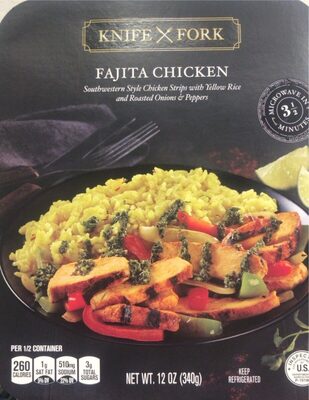
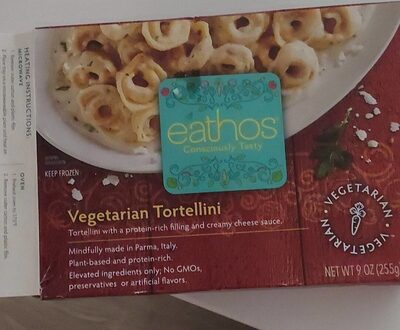
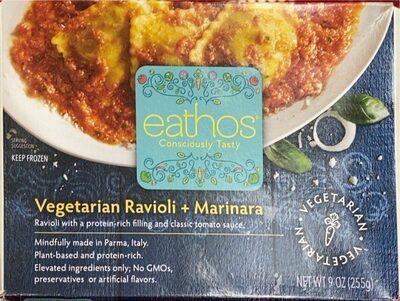
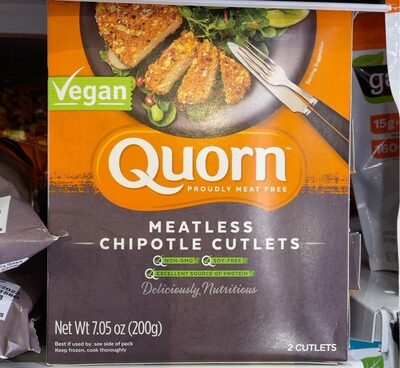
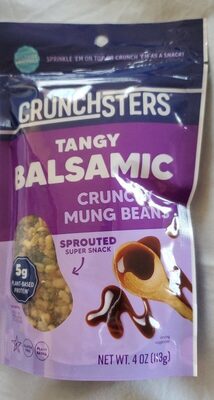
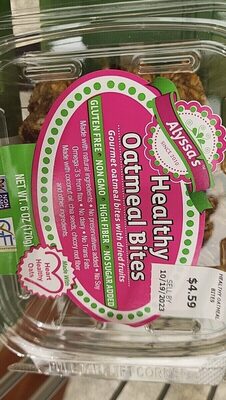
Foods that contain Smoked Salt
Compare products →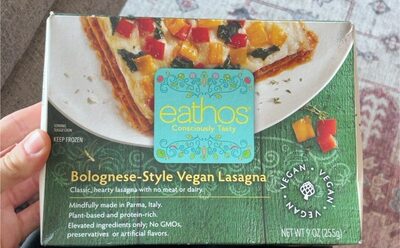
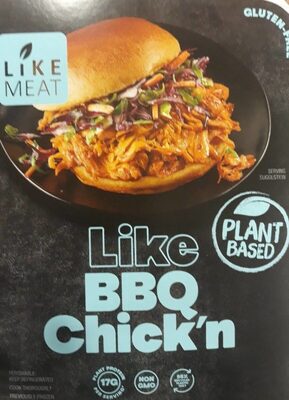
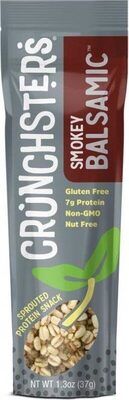
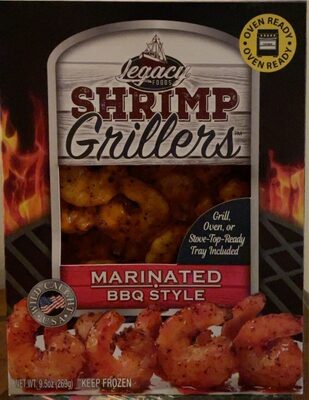
Learn more
Auto-generated content. This description was generated automatically and is pending editorial review. Inaccuracies are possible. Found a mistake? Contact us.