Sodium Acid Phyrophosphate
Auto-generated content. This description was generated automatically and is pending editorial review. Inaccuracies are possible. Found a mistake? Contact us.
What it is
Sodium acid pyrophosphate is a salt made from phosphoric acid. It is a white powder that is soluble in water. It is often produced by heating sodium phosphate.
Why it's used
This ingredient is used as a leavening agent in baked goods, helping them to rise. It also acts as an emulsifier to keep ingredients mixed and a preservative to extend shelf life. It is found in products like ice cream, baked goods, and processed meats.
Health notes
Sodium acid pyrophosphate is generally recognized as safe (GRAS) by the FDA for use in food. It is used in small amounts and is not associated with adverse health effects at typical consumption levels. International bodies like JECFA have evaluated it. Evidence does not suggest significant health concerns for most people.
Allergen info
Sodium acid pyrophosphate is not derived from any of the nine major allergens recognized by the FDA. It does not contain gluten.
Products containing Sodium Acid Phyrophosphate
Compare products →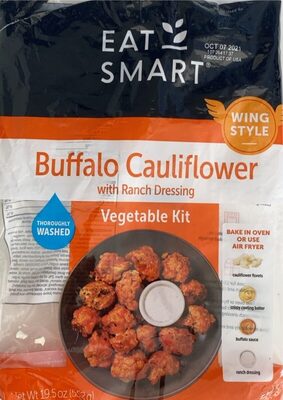 Curation Foods, Inc.
Buffalo Cauliflower With Ranch Dressing Wing Style Vegetable Kit, Buffalo Cauliflower
High in sodium — 20% DV per serving
105kcal
2.6Protein
3.5Fat
17.5Carbs
Aron Streit Inc.
Gluten Free Waffle Mix
350kcal
0Protein
0Fat
85Carbs
Aron Streit Inc.
All Purpose Gluten Free Dough Mix
357kcal
3.6Protein
0Fat
82.1Carbs
Curation Foods, Inc.
Buffalo Cauliflower With Ranch Dressing Wing Style Vegetable Kit, Buffalo Cauliflower
High in sodium — 20% DV per serving
105kcal
2.6Protein
3.5Fat
17.5Carbs
Aron Streit Inc.
Gluten Free Waffle Mix
350kcal
0Protein
0Fat
85Carbs
Aron Streit Inc.
All Purpose Gluten Free Dough Mix
357kcal
3.6Protein
0Fat
82.1Carbs