Sodium Glutamate
Auto-generated content. This description was generated automatically and is pending editorial review. Inaccuracies are possible. Found a mistake? Contact us.
What it is
Monosodium glutamate (MSG) is the sodium salt of glutamic acid, an amino acid naturally found in many foods. It is produced commercially through the fermentation of carbohydrates, similar to the process used for making yogurt or vinegar.
Why it's used
MSG is used as a flavor enhancer to provide an umami taste, which is often described as savory or brothy. It is commonly found in processed foods such as soups, savory snacks, seasonings, and frozen meals.
Health notes
MSG is generally recognized as safe (GRAS) by the U.S. Food and Drug Administration (FDA). Some individuals report sensitivity to MSG, experiencing symptoms like headaches or flushing, though scientific studies have not consistently linked these symptoms to MSG consumption at typical levels. The Joint FAO/WHO Expert Committee on Food Additives (JECFA) and the European Food Safety Authority (EFSA) have evaluated MSG, with regulatory bodies worldwide generally considering it safe for consumption.
Allergen info
Monosodium glutamate is not derived from any of the nine FDA major allergens. It does not contain gluten.
Products containing Sodium Glutamate
Compare products →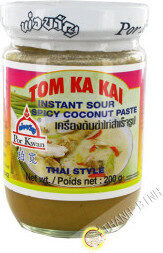 Wildwood Herbal
Por Kwan, Tom Ka Kai, Thai Style Instant Sour Spicy Coconut Paste
High in sodium — 33% DV per serving
200kcal
6.7Protein
6.7Fat
26.7Carbs
PREHRAMBENA INDUSTRIJA ""VISPAK"" DD VISOKO
Tajna Bosnian Pot
160kcal
8Protein
8Fat
24Carbs
PREHRAMBENA INDUSTRIJA ""VISPAK"" DD VISOKO
Stuffed Peppers
336kcal
8Protein
8Fat
24Carbs
Supervalu, Inc.
Teriyaki Beef Jerky
High in sodium — 21% DV per serving
286kcal
50Protein
3.6Fat
17.9Carbs
World Finer Foods, Inc.
Manzanilla Olives
179kcal
0Protein
14.3Fat
7.1Carbs
World Finer Foods, Inc.
Manzanilla Olives
179kcal
0Protein
14.3Fat
7.1Carbs
Wildwood Herbal
Por Kwan, Tom Ka Kai, Thai Style Instant Sour Spicy Coconut Paste
High in sodium — 33% DV per serving
200kcal
6.7Protein
6.7Fat
26.7Carbs
PREHRAMBENA INDUSTRIJA ""VISPAK"" DD VISOKO
Tajna Bosnian Pot
160kcal
8Protein
8Fat
24Carbs
PREHRAMBENA INDUSTRIJA ""VISPAK"" DD VISOKO
Stuffed Peppers
336kcal
8Protein
8Fat
24Carbs
Supervalu, Inc.
Teriyaki Beef Jerky
High in sodium — 21% DV per serving
286kcal
50Protein
3.6Fat
17.9Carbs
World Finer Foods, Inc.
Manzanilla Olives
179kcal
0Protein
14.3Fat
7.1Carbs
World Finer Foods, Inc.
Manzanilla Olives
179kcal
0Protein
14.3Fat
7.1Carbs