Sodium Monostearate
What is Sodium Monostearate?
Sodium monostearate is a sodium salt of stearic acid, a fatty acid found in many animal and vegetable fats. It is typically produced by reacting stearic acid with sodium hydroxide. It appears as a white to off-white powder.
Is Sodium Monostearate gluten-free?
Sodium monostearate is not derived from any of the nine major allergens and does not contain gluten.
What is Sodium Monostearate used for?
Sodium monostearate is used as an emulsifier and stabilizer in baked goods, helping to keep ingredients like oil and water mixed.
Is Sodium Monostearate safe?
Sodium monostearate is generally recognized as safe (GRAS) by the U.S. Food and Drug Administration (FDA) for use in food.
Why it's used
Sodium monostearate is used as an emulsifier and stabilizer in baked goods, helping to keep ingredients like oil and water mixed. It can also act as a dough conditioner, improving texture and volume in products like croissants, muffins, and cakes.
Health notes
Sodium monostearate is generally recognized as safe (GRAS) by the U.S. Food and Drug Administration (FDA) for use in food. It is a common fatty acid derivative and is not associated with adverse health effects at typical dietary intake levels. International bodies like JECFA have evaluated it.
Allergen info
Sodium monostearate is not derived from any of the nine major allergens and does not contain gluten. It is considered safe for individuals with these allergies.
Foods that contain Sodium Monostearate
Compare products →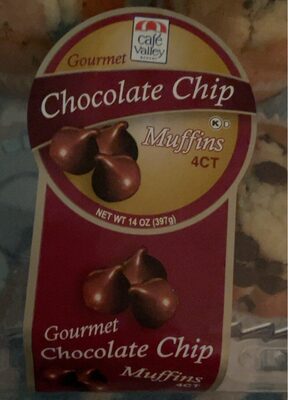
Learn more
Auto-generated content. This description was generated automatically and is pending editorial review. Inaccuracies are possible. Found a mistake? Contact us.