Sodium Ribonucleotides
What is Sodium Ribonucleotides?
Sodium ribonucleotides are salts derived from ribonucleic acid (RNA), a molecule found in all living cells. They are typically produced through a fermentation process using yeast or bacteria, followed by chemical processing to isolate and purify the desired compounds.
Is Sodium Ribonucleotides gluten-free?
Sodium ribonucleotides are not derived from any of the nine major allergens and do not contain gluten.
Is Sodium Ribonucleotides a major allergen?
Not a major allergen.
What is Sodium Ribonucleotides used for?
These compounds are primarily used as flavor enhancers, particularly to impart or intensify savory, umami tastes.
Is Sodium Ribonucleotides safe?
Sodium ribonucleotides are generally recognized as safe (GRAS) by the FDA for use in food.
Why it's used
These compounds are primarily used as flavor enhancers, particularly to impart or intensify savory, umami tastes. They are often found in processed foods like soups, sauces, and noodle dishes, working synergistically with other flavorings to create a richer taste profile.
Health notes
Sodium ribonucleotides are generally recognized as safe (GRAS) by the FDA for use in food. Regulatory bodies like JECFA and EFSA have evaluated these substances and found them to be safe at typical consumption levels. There is no widespread controversy regarding their use, and they are not associated with significant health concerns when consumed as part of a balanced diet.
Allergen info
Not a major allergen. Sodium ribonucleotides are not derived from any of the nine major allergens and do not contain gluten.
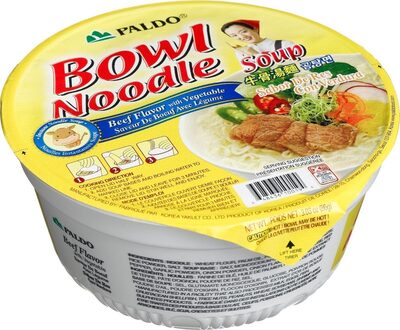
Foods that contain Sodium Ribonucleotides
Compare products →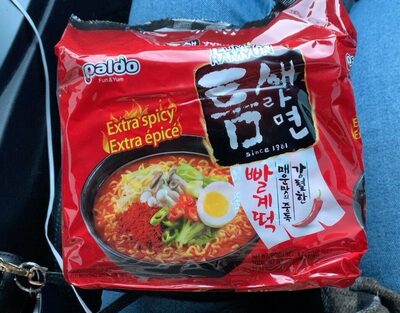
Learn more
Auto-generated content. This description was generated automatically and is pending editorial review. Inaccuracies are possible. Found a mistake? Contact us.