Sodium Stearyl Lactate
Auto-generated content. This description was generated automatically and is pending editorial review. Inaccuracies are possible. Found a mistake? Contact us.
What it is
Sodium stearyl lactate is a man-made compound created by combining stearic acid and lactic acid. Stearic acid is a fatty acid found in animal and vegetable fats, while lactic acid is produced by the fermentation of carbohydrates. It is typically manufactured through a chemical reaction between these two components.
Why it's used
Sodium stearyl lactate acts as an emulsifier, helping to blend ingredients that don't normally mix, like oil and water. It also improves dough conditioning and texture in baked goods. You'll often find it in cakes, cookies, bread, and other baked items.
Health notes
In the United States, sodium stearyl lactate is generally recognized as safe (GRAS) by the FDA for use as an emulsifier and dough conditioner. Regulatory bodies like the Joint FAO/WHO Expert Committee on Food Additives (JECFA) and the European Food Safety Authority (EFSA) have evaluated its safety. Evidence does not suggest adverse health effects at typical consumption levels.
Allergen info
Sodium stearyl lactate is not derived from any of the major allergens recognized by the FDA. It does not contain gluten.
Products containing Sodium Stearyl Lactate
Compare products →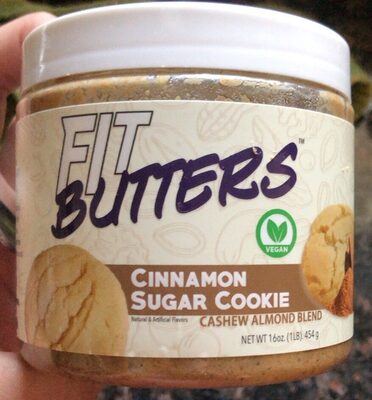 Turtle On The Move Productions
Cashew Almond Blend Cinnamon Sugar Cookie, Cashew Almond Blend Cinnamon Sugar
545kcal
18.2Protein
42.4Fat
30.3Carbs
Keto C8 Mct Powder
High in saturated fat — 30% DV per serving
722kcal
0Protein
66.7Fat
11.1Carbs
Turtle On The Move Productions
Cashew Almond Blend Cinnamon Sugar Cookie, Cashew Almond Blend Cinnamon Sugar
545kcal
18.2Protein
42.4Fat
30.3Carbs
Keto C8 Mct Powder
High in saturated fat — 30% DV per serving
722kcal
0Protein
66.7Fat
11.1Carbs