Sorghum And Buckwheat
What is Sorghum And Buckwheat?
Sorghum and buckwheat are both ancient grains that are naturally gluten-free. Sorghum is a cereal grain grown in Africa, Asia, and the Americas, while buckwheat is a flowering plant native to Europe and Asia. Both are typically milled into flours for use in baking.
Is Sorghum And Buckwheat vegan?
Sorghum And Buckwheat is not animal-derived. Products that contain it can still include other animal-derived ingredients, so check the full ingredient list.
Is Sorghum And Buckwheat gluten-free?
They are naturally gluten-free, making them suitable for individuals with celiac disease or gluten sensitivity.
Is Sorghum And Buckwheat a major allergen?
Sorghum and buckwheat are not among the nine major allergens recognized by the FDA.
What is Sorghum And Buckwheat used for?
These grains are often used as gluten-free alternatives to wheat flour in baked goods like cookies, cakes, and brownies.
Is Sorghum And Buckwheat safe?
Sorghum and buckwheat are considered safe for consumption.
Why it's used
These grains are often used as gluten-free alternatives to wheat flour in baked goods like cookies, cakes, and brownies. They can also be found in snack foods and as ingredients in savory dishes.
Health notes
Sorghum and buckwheat are considered safe for consumption. They are a source of dietary fiber, protein, and various micronutrients. Regulatory bodies like the FDA consider them safe as food ingredients. There is ongoing research into the potential health benefits of whole grains, including sorghum and buckwheat, related to their nutrient profiles.
Allergen info
Sorghum and buckwheat are not among the nine major allergens recognized by the FDA. They are naturally gluten-free, making them suitable for individuals with celiac disease or gluten sensitivity.
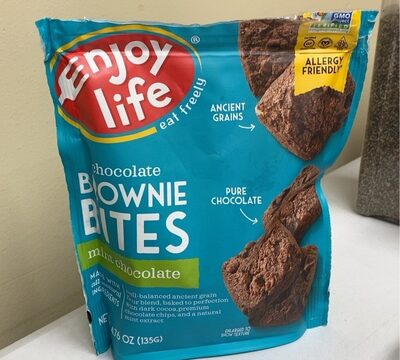
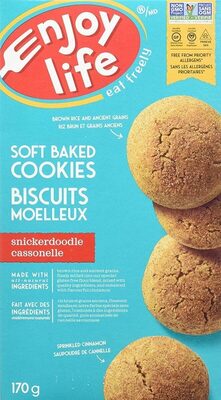
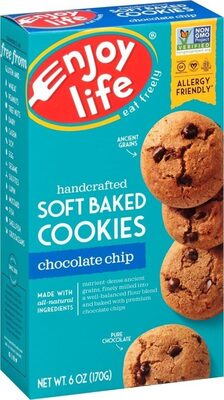
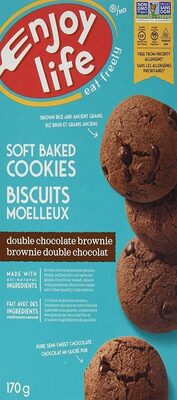
Foods that contain Sorghum And Buckwheat
Compare products →
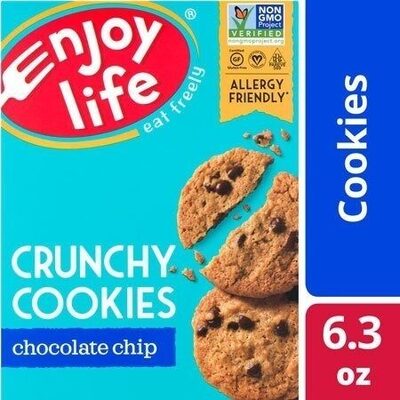
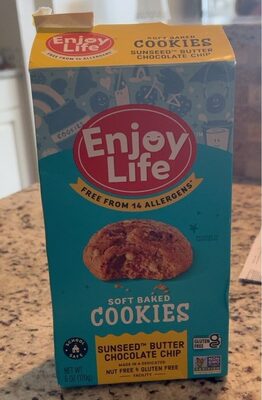
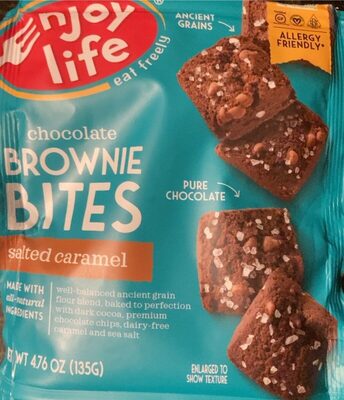
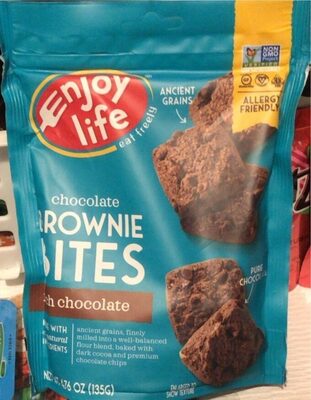

Learn more
Auto-generated content. This description was generated automatically and is pending editorial review. Inaccuracies are possible. Found a mistake? Contact us.