Soy Lecithin E322
Auto-generated content. This description was generated automatically and is pending editorial review. Inaccuracies are possible. Found a mistake? Contact us.
What it is
Soy lecithin is a fatty substance derived from soybeans. It is a mixture of phospholipids, which are compounds that have both fat and phosphate components. It is typically produced by extracting soybean oil and then processing it to isolate the lecithin.
Why it's used
Manufacturers use soy lecithin primarily as an emulsifier, helping to blend ingredients that normally don't mix, like oil and water. It also acts as a stabilizer, thickener, and preservative. You can find it in a wide range of processed foods, including baked goods, chocolate, margarine, and salad dressings.
Health notes
In the United States, soy lecithin is generally recognized as safe (GRAS) by the FDA. It is not typically associated with adverse health effects when consumed in amounts found in food. International bodies like JECFA and EFSA have evaluated soy lecithin. While some people may have sensitivities, scientific reviews have not found significant health concerns at typical consumption levels.
Allergen info
Soy lecithin is derived from soy, which is one of the 9 FDA major allergens. It does not contain gluten.
Products containing Soy Lecithin E322
Compare products →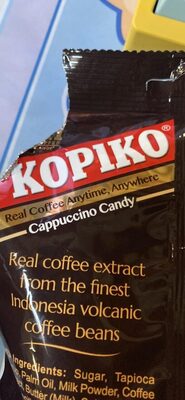 Takari International, Inc.
Cappuccino Candy
438kcal
0Protein
12.5Fat
87.5Carbs
Candy Treasure LLC
Chocolate Flavor Cream Cone + Toy Treasure, Chocolate
520kcal
8Protein
28Fat
60Carbs
Takari International, Inc.
Cappuccino Candy
438kcal
0Protein
12.5Fat
87.5Carbs
Candy Treasure LLC
Chocolate Flavor Cream Cone + Toy Treasure, Chocolate
520kcal
8Protein
28Fat
60Carbs