Soy Lecithin Jan Emulsifier
Auto-generated content. This description was generated automatically and is pending editorial review. Inaccuracies are possible. Found a mistake? Contact us.
What it is
Soy lecithin is a fatty substance derived from soybeans. It is typically produced by extracting oil from soybeans and then separating the lecithin from the oil. The lecithin is then often processed into a powder or liquid form.
Why it's used
Manufacturers use soy lecithin primarily as an emulsifier, helping to blend ingredients that normally don't mix, like oil and water. It also acts as a stabilizer and a release agent. You can find it in a wide variety of processed foods, including baked goods, chocolate, margarine, and salad dressings.
Health notes
Soy lecithin is generally recognized as safe (GRAS) by the FDA for use in food. It is a common ingredient, and consuming it in typical amounts is not associated with adverse health effects. International bodies like JECFA and EFSA have evaluated soy lecithin. While soy is a major allergen, highly purified lecithin contains very little protein, and is not typically considered allergenic.
Allergen info
Soy lecithin is derived from soy, which is one of the nine major allergens recognized by the FDA. However, highly purified soy lecithin contains minimal soy protein and is often tolerated by individuals with soy allergies.
Products containing Soy Lecithin Jan Emulsifier
Compare products →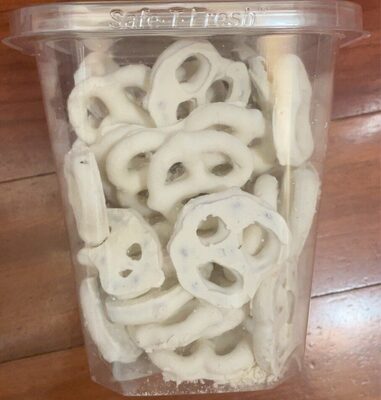 The Kroger Co.
Yogurt Covered Pretzels, Yogurt
High in saturated fat — 35% DV per serving
High in added sugars — 36% DV per serving
475kcal
5Protein
20Fat
72.5Carbs
Meijer, Inc.
Hoppin' Honey Easter Honey Roasted Peanuts, Pastel Chocolate Gems, White Chocolate Drops, Graham Cracker Bits & Raisins Trail Mix, Hoppin' Honey
500kcal
7.1Protein
25Fat
60.7Carbs
The Kroger Co.
Yogurt Covered Pretzels, Yogurt
High in saturated fat — 35% DV per serving
High in added sugars — 36% DV per serving
475kcal
5Protein
20Fat
72.5Carbs
Meijer, Inc.
Hoppin' Honey Easter Honey Roasted Peanuts, Pastel Chocolate Gems, White Chocolate Drops, Graham Cracker Bits & Raisins Trail Mix, Hoppin' Honey
500kcal
7.1Protein
25Fat
60.7Carbs
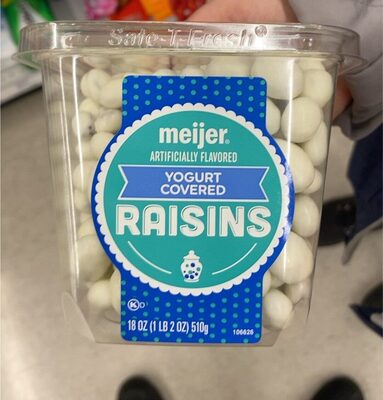 Meijer, Inc.
Yogurt Covered Raisins, Yogurt
High in saturated fat — 30% DV per serving
High in added sugars — 24% DV per serving
467kcal
10Protein
20Fat
63.3Carbs
Meijer, Inc.
Holiday 'Tis The Season Roasted And Salted Peanuts, Mint Flavored Chocolate Cookie Bites, Candy Cane Flavored Caramels, Milk Chocolate Coated Peanuts, Yogurt Flavor Coated Peanuts, Roasted And Salted Almonds Trail Mix, Holiday 'Tis The Season
533kcal
13.3Protein
36.7Fat
43.3Carbs
Meijer, Inc.
Yogurt Covered Raisins, Yogurt
High in saturated fat — 30% DV per serving
High in added sugars — 24% DV per serving
467kcal
10Protein
20Fat
63.3Carbs
Meijer, Inc.
Holiday 'Tis The Season Roasted And Salted Peanuts, Mint Flavored Chocolate Cookie Bites, Candy Cane Flavored Caramels, Milk Chocolate Coated Peanuts, Yogurt Flavor Coated Peanuts, Roasted And Salted Almonds Trail Mix, Holiday 'Tis The Season
533kcal
13.3Protein
36.7Fat
43.3Carbs