Soy Lecithin: Pgpr
What is Soy Lecithin: Pgpr?
PGPR is a type of emulsifier made from vegetable oils, most commonly soybean oil. It is produced through a process that modifies the lecithin derived from the oil. PGPR helps to improve the texture and flow of products like chocolate.
Is Soy Lecithin: Pgpr vegan?
Soy Lecithin: Pgpr is not animal-derived. Products that contain it can still include other animal-derived ingredients, so check the full ingredient list.
Is Soy Lecithin: Pgpr gluten-free?
It does not contain gluten.
Is Soy Lecithin: Pgpr a major allergen?
PGPR is derived from soy, which is one of the nine FDA major allergens.
What is Soy Lecithin: Pgpr used for?
Manufacturers use PGPR as an emulsifier and viscosity-reducing agent, especially in chocolate and confectionery.
Is Soy Lecithin: Pgpr safe?
In the United States, PGPR is generally recognized as safe (GRAS) by the FDA for use as a food additive.
Why it's used
Manufacturers use PGPR as an emulsifier and viscosity-reducing agent, especially in chocolate and confectionery. It helps prevent fat bloom, improves the smoothness and spreadability of chocolate, and reduces the amount of cocoa butter needed. It is commonly found in chocolate bars, candies, and baked goods.
Health notes
In the United States, PGPR is generally recognized as safe (GRAS) by the FDA for use as a food additive. It is approved for use as an emulsifier in foods. International bodies like JECFA have evaluated PGPR, and EFSA has also reviewed its safety. At typical consumption levels, it is not associated with adverse health effects.
Allergen info
PGPR is derived from soy, which is one of the nine FDA major allergens. It does not contain gluten.
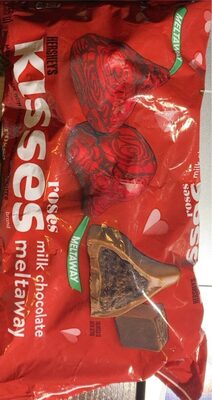
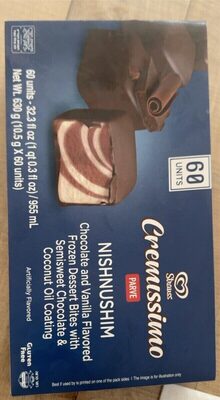
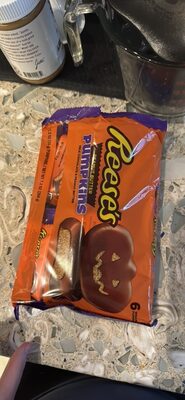
Foods that contain Soy Lecithin: Pgpr
Compare products →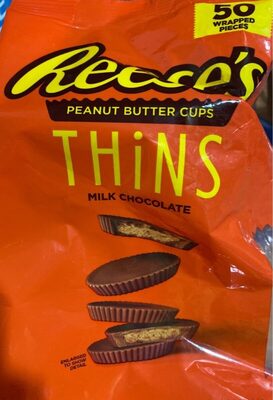








Learn more
Auto-generated content. This description was generated automatically and is pending editorial review. Inaccuracies are possible. Found a mistake? Contact us.