Soy Lecithin Tetrasodium Pyrophosphate
What is Soy Lecithin Tetrasodium Pyrophosphate?
Soy lecithin is a fat-derived substance that comes from soybeans. It is a mixture of phospholipids, which are compounds that contain fatty acids. It is typically produced by extracting the lecithin from soybean oil.
Is Soy Lecithin Tetrasodium Pyrophosphate vegan?
Soy Lecithin Tetrasodium Pyrophosphate is not animal-derived. Products that contain it can still include other animal-derived ingredients, so check the full ingredient list.
Is Soy Lecithin Tetrasodium Pyrophosphate gluten-free?
It does not contain gluten.
Is Soy Lecithin Tetrasodium Pyrophosphate a major allergen?
Soy lecithin is derived from soy, which is one of the 9 FDA major allergens.
What is Soy Lecithin Tetrasodium Pyrophosphate used for?
Soy lecithin is used as an emulsifier, meaning it helps to blend ingredients that normally don't mix well, like oil and water.
Is Soy Lecithin Tetrasodium Pyrophosphate safe?
Soy lecithin is generally recognized as safe (GRAS) by the FDA.
Why it's used
Soy lecithin is used as an emulsifier, meaning it helps to blend ingredients that normally don't mix well, like oil and water. This helps improve the texture and consistency of foods. It is commonly found in baked goods, chocolate, and processed foods.
Health notes
Soy lecithin is generally recognized as safe (GRAS) by the FDA. It is commonly consumed in typical food amounts. JECFA and EFSA have evaluated soy lecithin. There are no widespread controversies regarding its use at typical intake levels.
Allergen info
Soy lecithin is derived from soy, which is one of the 9 FDA major allergens. It does not contain gluten.
Foods that contain Soy Lecithin Tetrasodium Pyrophosphate
Compare products →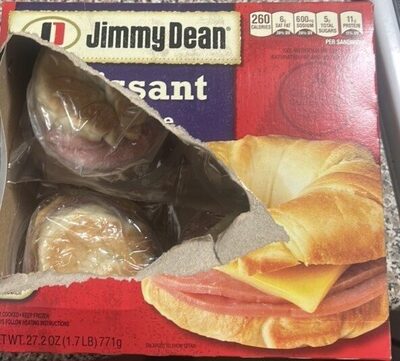 The Hillshire Brands Company
Ham & Cheese Croissant Sandwiches, Ham & Cheese
High in sodium — 26% DV per serving
High in saturated fat — 30% DV per serving
271kcal
11.5Protein
13.5Fat
28.1Carbs
The Hillshire Brands Company
Ham & Cheese Croissant Sandwiches, Ham & Cheese
High in sodium — 26% DV per serving
High in saturated fat — 30% DV per serving
271kcal
11.5Protein
13.5Fat
28.1Carbs
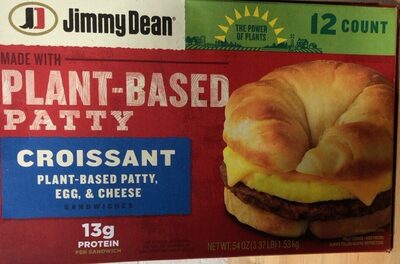 The Hillshire Brands Company
Egg, & Cheese Plant-Based Patty, Croissant Sandwiches, Egg, & Cheese
High in sodium — 23% DV per serving
High in saturated fat — 45% DV per serving
High in cholesterol — 30% DV per serving
286kcal
10.3Protein
16.7Fat
24.6Carbs
The Hillshire Brands Company
Egg, & Cheese Plant-Based Patty, Croissant Sandwiches, Egg, & Cheese
High in sodium — 23% DV per serving
High in saturated fat — 45% DV per serving
High in cholesterol — 30% DV per serving
286kcal
10.3Protein
16.7Fat
24.6Carbs
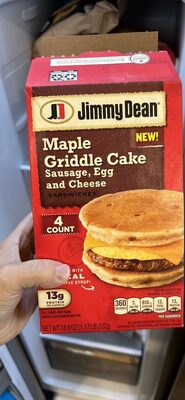 The Hillshire Brands Company
Maple Griddle Cake Sausage, Egg And Cheese Sandwiches, Maple
High in sodium — 35% DV per serving
High in saturated fat — 35% DV per serving
High in added sugars — 20% DV per serving
High in cholesterol — 40% DV per serving
273kcal
9.8Protein
15.9Fat
23.5Carbs
The Hillshire Brands Company
Maple Griddle Cake Sausage, Egg And Cheese Sandwiches, Maple
High in sodium — 35% DV per serving
High in saturated fat — 35% DV per serving
High in added sugars — 20% DV per serving
High in cholesterol — 40% DV per serving
273kcal
9.8Protein
15.9Fat
23.5Carbs
Learn more
Auto-generated content. This description was generated automatically and is pending editorial review. Inaccuracies are possible. Found a mistake? Contact us.