Soy Lecithin Xanthan Gum
Auto-generated content. This description was generated automatically and is pending editorial review. Inaccuracies are possible. Found a mistake? Contact us.
What it is
Soy lecithin is a fatty substance derived from soybeans. It is typically produced by extracting the oil from soybeans and then processing it to isolate the lecithin. Xanthan gum is a polysaccharide produced by the fermentation of sugar by a specific bacterium, Xanthomonas campestris.
Why it's used
Soy lecithin is commonly used as an emulsifier, helping to blend ingredients that don't normally mix, like oil and water. Xanthan gum is used as a thickener and stabilizer to improve the texture and consistency of foods. They are often found in baked goods, sauces, dressings, and dairy products.
Health notes
Soy lecithin is generally recognized as safe (GRAS) by the FDA for use in food. Xanthan gum is also approved by the FDA as a food additive. Both substances have been evaluated by international bodies like JECFA and EFSA. At typical consumption levels, they are not associated with adverse health effects. Some individuals may experience digestive upset with very high intakes of xanthan gum.
Allergen info
Soy lecithin is derived from soy, which is one of the 9 major allergens. Xanthan gum is not derived from any of the 9 major allergens and does not contain gluten.
Products containing Soy Lecithin Xanthan Gum
Compare products →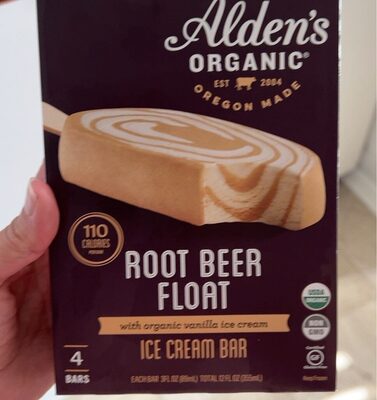 Oregon Ice Cream, LLC
Root Beer Float With Organic Vanilla Ice Cream Bars, Root Beer Float
High in added sugars — 24% DV per serving
8kcal
1.6Protein
6.6Fat
27.9Carbs
Wal-Mart Stores, Inc.
Sprinkle Mix, Flower
375kcal
0Protein
0Fat
75Carbs
Wal-Mart Stores, Inc.
Ooey Gooey Caramel Flavored Golden Cake With Caramel Icing, Ooey Gooey Caramel
High in saturated fat — 25% DV per serving
High in added sugars — 72% DV per serving
447kcal
2.6Protein
22.4Fat
60.5Carbs
Harris-Teeter Inc.
Peanut, Almond & Dark Chocolate Chewy Protein Bars, Peanut, Almond & Dark Chocolate
475kcal
25Protein
30Fat
35Carbs
Oregon Ice Cream, LLC
Root Beer Float With Organic Vanilla Ice Cream Bars, Root Beer Float
High in added sugars — 24% DV per serving
8kcal
1.6Protein
6.6Fat
27.9Carbs
Wal-Mart Stores, Inc.
Sprinkle Mix, Flower
375kcal
0Protein
0Fat
75Carbs
Wal-Mart Stores, Inc.
Ooey Gooey Caramel Flavored Golden Cake With Caramel Icing, Ooey Gooey Caramel
High in saturated fat — 25% DV per serving
High in added sugars — 72% DV per serving
447kcal
2.6Protein
22.4Fat
60.5Carbs
Harris-Teeter Inc.
Peanut, Almond & Dark Chocolate Chewy Protein Bars, Peanut, Almond & Dark Chocolate
475kcal
25Protein
30Fat
35Carbs