Soy Sauce Seasoning
Auto-generated content. This description was generated automatically and is pending editorial review. Inaccuracies are possible. Found a mistake? Contact us.
What it is
Soy sauce seasoning is a concentrated form of soy sauce, often available as a powder or granules. Traditional soy sauce is produced by fermenting soybeans and wheat with mold cultures, yeast, and brine. The seasoning version is typically made by drying liquid soy sauce.
Why it's used
Manufacturers add soy sauce seasoning primarily for its savory, umami, and salty flavor. It is commonly found in snack foods, instant noodles, dry soup mixes, and other processed foods where a distinct soy sauce taste is desired without adding liquid.
Health notes
Soy sauce is a traditional food ingredient and is generally recognized as safe (GRAS) by the FDA. The primary health consideration for soy sauce seasoning is its sodium content, which contributes to overall dietary sodium intake. The FDA's Daily Value for sodium is 2,300 mg per day. JECFA has evaluated soy sauce as a food ingredient. There are no specific controversies regarding soy sauce seasoning itself, beyond general concerns about high sodium intake from processed foods.
Allergen info
Soy sauce seasoning is derived from soybeans and wheat, which are two of the nine major food allergens identified by the FDA.
Products containing Soy Sauce Seasoning
Compare products →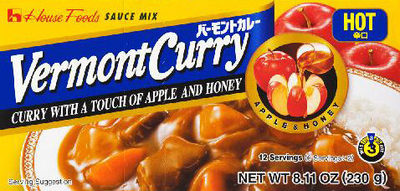 House Foods Corporation
House Foods, Vermont Curry Soup Mix, Apple & Honey, Apple & Honey
High in sodium — 38% DV per serving
526kcal
5.3Protein
36.8Fat
47.4Carbs
House Foods Corporation
House Foods, Vermont Curry Soup Mix, Apple & Honey, Apple & Honey
High in sodium — 38% DV per serving
526kcal
5.3Protein
36.8Fat
47.4Carbs
 Unique Products, Inc.
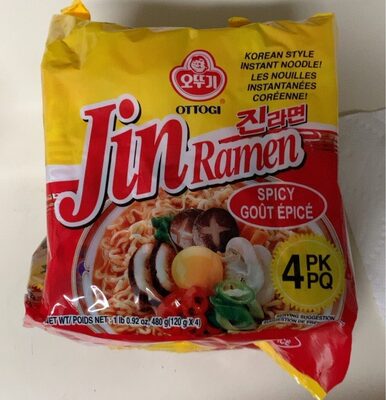
Spicy Jin Ramen Korean Style Instant Noodles, Spicy
High in sodium — 93% DV per serving
High in saturated fat — 40% DV per serving
417kcal
9.2Protein
12.5Fat
65.8Carbs
Unique Products, Inc.
Spicy Jin Ramen Korean Style Instant Noodles, Spicy
High in sodium — 93% DV per serving
High in saturated fat — 40% DV per serving
417kcal
9.2Protein
12.5Fat
65.8Carbs
 PANOS Brands LLC
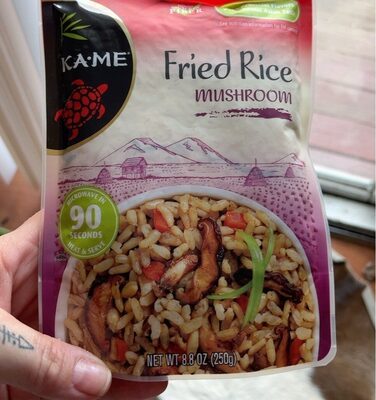
Mushroom Fried Rice, Mushroom
143kcal
2.9Protein
3.6Fat
24.3Carbs
Ledagio, Ltd.
Kameda Crisps, Sweet Chili Savory Rice Snack
400kcal
6.7Protein
2.2Fat
90Carbs
PANOS Brands LLC
Mushroom Fried Rice, Mushroom
143kcal
2.9Protein
3.6Fat
24.3Carbs
Ledagio, Ltd.
Kameda Crisps, Sweet Chili Savory Rice Snack
400kcal
6.7Protein
2.2Fat
90Carbs
 Innovasian Cuisine Enterprises, LLC
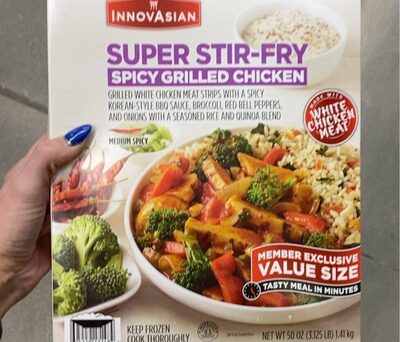
Super Stir-Fry Spicy Grilled Chicken Grilled White Chicken Meat Strips With A Spicy Korean-Style BBQ Sauce, Broccoli, Red Bell Peppers, And Onions With A Seasoned Rice And Quinoa Blend, Super Stir-Fry Spicy Grilled Chicken
104kcal
5.2Protein
1.4Fat
17.9Carbs
Innovasian Cuisine Enterprises, LLC
Super Stir-Fry Spicy Grilled Chicken Grilled White Chicken Meat Strips With A Spicy Korean-Style BBQ Sauce, Broccoli, Red Bell Peppers, And Onions With A Seasoned Rice And Quinoa Blend, Super Stir-Fry Spicy Grilled Chicken
104kcal
5.2Protein
1.4Fat
17.9Carbs
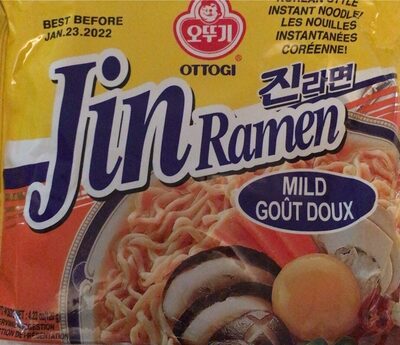 Unique Products, Inc.
Jin Ramen Korean Style Instant Noodle, Jin Ramen Korean Style
High in saturated fat — 40% DV per serving
417kcal
9.2Protein
12.5Fat
66.7Carbs
Unique Products, Inc.
Jin Ramen Korean Style Instant Noodle, Jin Ramen Korean Style
High in saturated fat — 40% DV per serving
417kcal
9.2Protein
12.5Fat
66.7Carbs
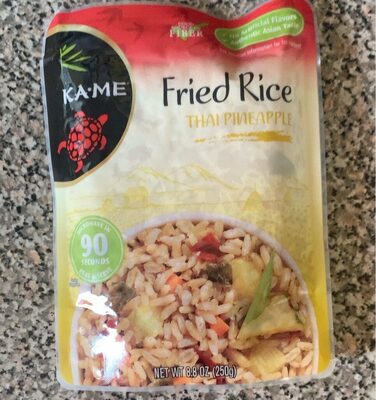 PANOS Brands LLC
Thai Pineapple Fried Rice
150kcal
2.1Protein
2.9Fat
28.6Carbs
PANOS Brands LLC
Thai Pineapple Fried Rice
150kcal
2.1Protein
2.9Fat
28.6Carbs