Spicy Sesame Sticks
What is Spicy Sesame Sticks?
Spicy sesame sticks are a crunchy snack made from flour, sesame seeds, and spices. The dough is typically fried or baked until crisp, and then seasoned with a blend of chili peppers, salt, and other flavorings to give them a spicy kick.
Is Spicy Sesame Sticks vegan?
Spicy Sesame Sticks is not animal-derived. Products that contain it can still include other animal-derived ingredients, so check the full ingredient list.
Is Spicy Sesame Sticks a major allergen?
Sesame is one of the 9 FDA major allergens.
What is Spicy Sesame Sticks used for?
Manufacturers use spicy sesame sticks as a flavorful and crunchy component in snack mixes, trail mixes, and as a topping for various dishes.
Is Spicy Sesame Sticks safe?
Spicy sesame sticks are generally recognized as safe (GRAS) by the FDA when used as a food ingredient.
Why it's used
Manufacturers use spicy sesame sticks as a flavorful and crunchy component in snack mixes, trail mixes, and as a topping for various dishes. Their savory and spicy profile makes them a popular addition to provide texture and taste.
Health notes
Spicy sesame sticks are generally recognized as safe (GRAS) by the FDA when used as a food ingredient. They are a source of carbohydrates and some protein. JECFA has evaluated sesame seeds and found them safe. While generally safe, excessive consumption of fried snacks may contribute to higher calorie and sodium intake.
Allergen info
Sesame is one of the 9 FDA major allergens. Spicy sesame sticks contain sesame and may be produced in facilities that also process wheat, soy, or other allergens, potentially leading to cross-contamination.
Foods that contain Spicy Sesame Sticks
Compare products →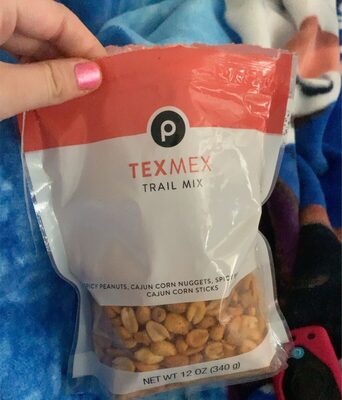
Auto-generated content. This description was generated automatically and is pending editorial review. Inaccuracies are possible. Found a mistake? Contact us.