Spread: Interesterified Soybean Oil
Auto-generated content. This description was generated automatically and is pending editorial review. Inaccuracies are possible. Found a mistake? Contact us.
What it is
Interesterified soybean oil is a type of fat made from soybean oil. Its fatty acids are rearranged in a process called interesterification, which changes the oil's physical properties without creating artificial trans fats. This process results in a fat with a different melting point and texture.
Why it's used
Manufacturers use interesterified soybean oil to provide structure and texture to foods, similar to how partially hydrogenated oils (PHOs) were once used. It helps create creamy textures in spreads, improves the flakiness of baked goods, and can be used in frying applications.
Health notes
Interesterified fats are generally recognized as safe (GRAS) for use in foods by the FDA. They have largely replaced partially hydrogenated oils (PHOs), which were no longer considered GRAS by the FDA as of 2018 due to their artificial trans fat content. JECFA has evaluated interesterified fats and concluded that they are nutritionally equivalent to other fats and oils, and did not set a numeric limit (ADI not specified). EFSA has also assessed interesterified fats and found no safety concerns. Studies on the health effects of interesterified fats compared to other fats like palm oil or fully hydrogenated oils show mixed results regarding their impact on blood cholesterol levels.
Allergen info
This ingredient is derived from soy, which is one of the nine major food allergens identified by the FDA.
Products containing Spread: Interesterified Soybean Oil
Compare products →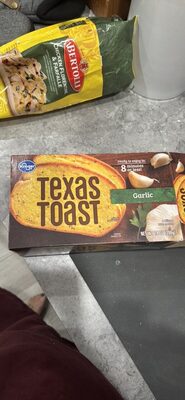 The Kroger Co.
Kroger, Garlic Texas Toast
360kcal
6Protein
20Fat
38Carbs
The Kroger Co.
Kroger, Garlic Texas Toast
360kcal
6Protein
20Fat
38Carbs
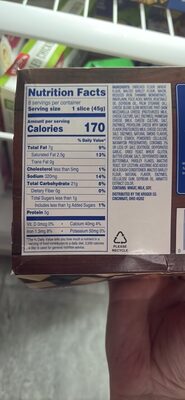 The Kroger Co.
Kroger, Garlic 3-Cheese Texas Toast
326kcal
8.7Protein
19.6Fat
32.6Carbs
The Kroger Co.
Kroger, Garlic 3-Cheese Texas Toast
326kcal
8.7Protein
19.6Fat
32.6Carbs