Spy Lecithin
What is Spy Lecithin?
Soy lecithin is a fatty substance derived from soybeans. It is a byproduct of soybean oil production and is typically processed using solvents like hexane, though hexane-free methods also exist. It is a mixture of phospholipids, which are compounds that have both fat-soluble and water-soluble properties.
Is Spy Lecithin vegan?
Spy Lecithin is not animal-derived. Products that contain it can still include other animal-derived ingredients, so check the full ingredient list.
Is Spy Lecithin a major allergen?
Soy lecithin is derived from soy, which is one of the 9 FDA major allergens.
What is Spy Lecithin used for?
Manufacturers add soy lecithin primarily as an emulsifier, helping to blend ingredients that don't normally mix, like oil and water.
Is Spy Lecithin safe?
Soy lecithin is generally recognized as safe (GRAS) by the FDA for use in food.
Why it's used
Manufacturers add soy lecithin primarily as an emulsifier, helping to blend ingredients that don't normally mix, like oil and water. This improves texture and shelf life in foods such as chocolate, baked goods, and margarine. It can also act as a stabilizer and release agent.
Health notes
Soy lecithin is generally recognized as safe (GRAS) by the FDA for use in food. It is a common food ingredient with a long history of use. Regulatory bodies like JECFA and EFSA have evaluated soy lecithin. While soy is a major allergen, highly purified lecithin typically contains very low levels of soy proteins, and is not usually considered allergenic.
Allergen info
Soy lecithin is derived from soy, which is one of the 9 FDA major allergens. However, highly purified soy lecithin is often processed to remove soy proteins, so it may not trigger reactions in most people with soy allergies.
Foods that contain Spy Lecithin
Compare products →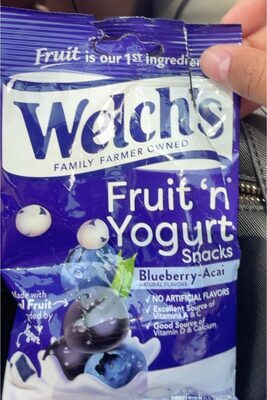 The Promotion In Motion Companies, Inc.
Blueberry-Acai Fruit 'N Yogurt Snacks, Blueberry-Acai
High in added sugars — 32% DV per serving
367kcal
0Protein
6.7Fat
73.3Carbs
The Hershey Company
Rolo, Chewy Caramels In Milk Chocolate
High in saturated fat — 30% DV per serving
452kcal
4.8Protein
19.1Fat
69.0Carbs
Wegmans Food Markets, Inc.
Wholesum Fruit & Nut Bar
450kcal
12.5Protein
25Fat
52.5Carbs
Ross Acquisition Inc.
Peanut Butter Cups, Milk Chocolate
High in saturated fat — 25% DV per serving
500kcal
9.1Protein
29.6Fat
59.1Carbs
The Promotion In Motion Companies, Inc.
Blueberry-Acai Fruit 'N Yogurt Snacks, Blueberry-Acai
High in added sugars — 32% DV per serving
367kcal
0Protein
6.7Fat
73.3Carbs
The Hershey Company
Rolo, Chewy Caramels In Milk Chocolate
High in saturated fat — 30% DV per serving
452kcal
4.8Protein
19.1Fat
69.0Carbs
Wegmans Food Markets, Inc.
Wholesum Fruit & Nut Bar
450kcal
12.5Protein
25Fat
52.5Carbs
Ross Acquisition Inc.
Peanut Butter Cups, Milk Chocolate
High in saturated fat — 25% DV per serving
500kcal
9.1Protein
29.6Fat
59.1Carbs
Learn more
Auto-generated content. This description was generated automatically and is pending editorial review. Inaccuracies are possible. Found a mistake? Contact us.